


QUICK ANSWER
January is one of Egypt’s best months for sightseeing — and one of its most misunderstood. Daytime temperatures are genuinely pleasant (Cairo 14–19°C, Luxor 18–23°C, Aswan 19–24°C) with clear skies and virtually no rain. But nights are cold — Aswan drops to 8°C, Luxor to 7°C, Cairo to 9°C — which surprises visitors who pack for a ‘warm’ destination. Crowds are at or near peak levels (January is high season), but pricing drops sharply after the New Year holiday rush: 1–7 January sees inflated rates, 8–31 January offers some of the best value of the entire peak season. Coptic Christmas on 7 January is one of Egypt’s most moving cultural events.
Yasser Shoaib, licensed Egyptian guide and Egypt travel specialist at Egy Vacations, considers January underrated by international visitors — not because the conditions are obscure, but because the cold nights catch people off-guard. ‘Every year,’ he says, ‘I have January clients who packed only summer clothes based on what they read online. The Pyramids at noon in January are beautiful and comfortable. The same Pyramids at 6:00 AM, before sunrise, when the temperature is 9°C and the wind is coming off the desert — that is a different experience entirely, and you need to be dressed for it.’ This guide tells you exactly what to expect — by week within the month, by region, and by the specific realities that most guides understate.
Why January Works — and the Honest Caveats
What January Does Exceptionally Well
- Temple sightseeing during daylight hours: temperatures of 18-23 degrees Celsius in Luxor and Aswan during the daytime are almost perfect — warm enough for you to feel comfortable in thin layers of clothing, yet not too hot for the long-time stay outside being enjoyable.
- This is the main factor that makes January high season in Upper Egypt
- No heat control needed: unlike September and early October, there is no “temple hour” in January (only at 6 AM), no midday break under air conditioning, no possibility of having heat stroke. You can see Karnak at 10 AM without any negative consequences
- Adventurous activities in the desert: camping in White Desert, trips to Siwa Oasis, camel safaris, and hot air ballooning above Luxor are most comfortable in January’s cool and dry weather
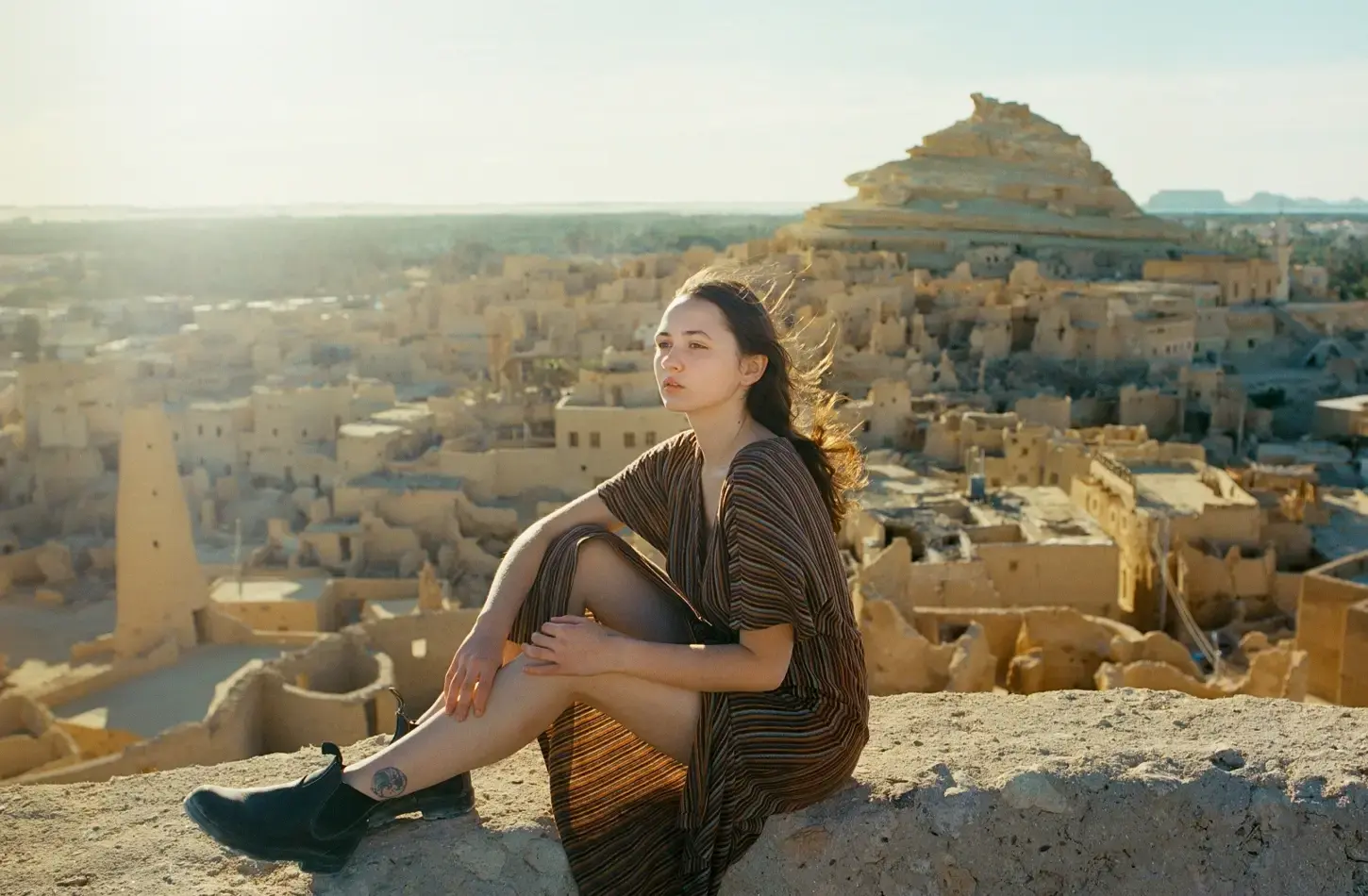
- Photography: January sees excellent photography due to the low angle of the sun and the clear air in the desert. Aswan at the golden hour in January, with its warm sunlight and cool air as well as the reflective surface of the Nile, ranks among Egypt’s best opportunities for taking photos.
- Period of value after the New Year: From 8 January on, prices become significantly cheaper following the influx of tourists at the start of the year.
The Honest Caveats
- Genuinely cold nights: Online travel guides use the words ‘cool’ and ‘chilly’ to characterize night temperatures in January. The accurate description would be: cold. Aswan and Luxor usually have 7–9°C nights. Cairo has nights with temperatures of 9–11°C. The desert regions may even experience 4–6°C nights before sunrise. Those who dress for summer weather
- Crowded tourist sites: January is one of the three busiest periods in Egypt’s calendar (along with December and February). Valley of the Kings, Pyramids, and Karnak Temple are much more crowded than they were in October. It is crucial to arrive there early in the morning
- Temperature of the Red Sea: With water temperatures of 22–23°C, the Red Sea is colder than its summer maximum. You need a 5mm wetsuit in order to dive comfortably. Swimming and snorkeling in the Red Sea are possible but you will feel cold because of that
- New Year premium (1–7 January): Prices of hotel and cruise accommodation are at their annual maximum in the first week of January. If your schedule allows you to do it, try to visit Egypt outside this period or book well in advance
★ JANUARY vs DECEMBER vs FEBRUARY
Peak periods for December fall within the last two weeks (Christmas & New Year). While February is warmer than January, it has its peak pricing period during the Valentine’s Day & Abu Simbel Sun Festival, which take place on 21 & 22 February respectively. January, particularly 8-31 January, falls between two peak holiday periods in pricing, therefore being the most economical month within the winter peak season in Egypt. The weather is the same as December and February.
Egypt Weather in January: Region by Region
| Region | Daytime High | Overnight Low | Sea Temp | Rain | Verdict |
|---|---|---|---|---|---|
| Cairo & Giza | 17–19°C (63–66°F) | 9–11°C (48–52°F) | N/A | Occasional (8mm/month) | Excellent for sightseeing; cold mornings — dress in layers |
| Luxor | 22–23°C (72–73°F) | 7–9°C (45–48°F) | N/A | None | Near-perfect daytime; cold nights — pack a proper jacket |
| Aswan | 23–24°C (73–75°F) | 8–10°C (46–50°F) | N/A | None | Best daytime weather in Egypt; morning Nile mist dramatic and photogenic |
| Hurghada / Red Sea | 19–22°C (66–72°F) | 14–16°C (57–61°F) | 22–23°C (72–73°F) | None | Cooler than expected; diving with 5mm wetsuit; casual swimming cold |
| Sharm el-Sheikh | 18–22°C (64–72°F) | 13–15°C (55–59°F) | 21–22°C (70–72°F) | None | Similar to Hurghada; good visibility for diving; evenings cold |
| Alexandria | 13–18°C (55–64°F) | 8–11°C (46–52°F) | 17°C (63°F) | Light rain possible | Coolest and most Mediterranean; rain possible; genuinely winter feel |
| Siwa / White Desert | 14–20°C (57–68°F) | 3–7°C (37–45°F) | N/A | None | Coldest overnight in Egypt — proper sleeping bag essential for camping |
⚠️ JANUARY COLD WARNING — PACK PROPERLY
What most people complain about when visiting Egypt in January is packing inadequately for chilly nights. Night time temperatures in Luxor and Aswan fall to 7 to 9 degrees centigrade, which is the same as having an autumn night in northern parts of Europe. Desert regions such as Siwa and White Desert experience temperatures that fall below 3 to 6 degrees centigrade at night time. A jacket, warm clothing, and a fleece should be mandatory when visiting Egypt in January.
Khamsin Winds — January’s Occasional Wild Card
The Egyptian Khamsin, a hot, dusty wind coming from the Western Desert and blowing fine sand, usually happens during spring months (March – May), although it can happen even in January, especially during the last weeks of that month. The occurrence of a Khamsin season results to a very low visibility, everything will be covered in fine orange dust, and visiting temples will be a nuisance for 1-3 days. In most cases, there are no Khamsins in January. But when you have one, do these things: conduct all activities indoor (with GEM being the best option) and stay well-hydrated until it passes.
Coptic Christmas — 7 January: Egypt’s Most Overlooked Cultural Event
Copts represent about 10% of the population of Egypt, numbering around 10 million people and being the community that preserves Christianity since the 1st century CE. The Coptic Orthodox Church uses the Julian calendar according to which Christmas is celebrated on 7 January and not 25 December.
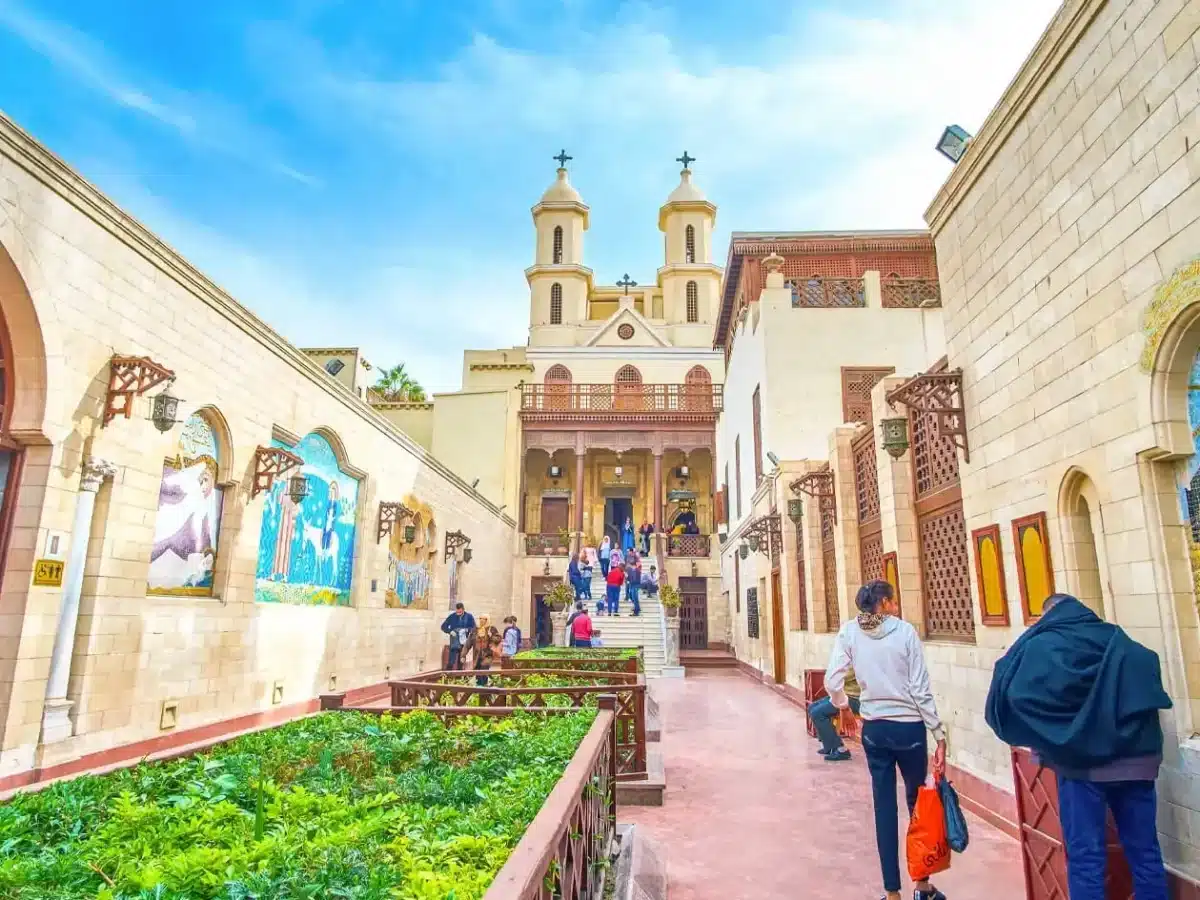
The streets of the Coptic quarter of Cairo, which include the oldest churches in Christianity, come to life in a way very unusual for tourism in Egypt during the few days around 7 January. At this time, the Hanging Church (Al-Mu’allaqah), the Church of Abu Serga (founded on the cave where the Holy Family rested in Egypt), and the Coptic Museum are at their most vibrant. Services continue all night long from 6 January till 7 January.
Recommendation from Yasser Shoaib: Go to Coptic Cairo on 6 January in the evening, when preparations for the midnight mass are happening, and many families gather there. It is open to non-Christians in most masses; please dress appropriately and let people around guide you about entering the place and behaving inside. It is not a tourists’ occasion, and that is precisely what makes it special.
💡 COPTIC CHRISTMAS PRACTICAL NOTES
Both the Hanging Church and the Church of Abu Serga allow access to their buildings all year round; however, there are many people attending the service in the church on 6–7 January. The district is quite safe to visit, but getting there and back from Coptic Cairo will be harder on the night of 6–7 January than usually — better to prearrange a driver than to rely on Uber. The Coptic Museum situated nearby the church is open on the afternoon of 7 January.
January Crowds & Prices: The Post-Holiday Shift
January is peak season — but with an important internal structure that most booking guides miss:
| Period | Crowds | Prices vs Annual Average | Booking Lead Time | Notes |
|---|---|---|---|---|
| 1–7 January (New Year week) | Very High | 15–25% above standard peak | Must book months ahead | New Year holiday overflow; highest prices of the month |
| 8–15 January | High | Standard peak rates | 4–6 weeks ahead | Coptic Christmas aftermath; crowds ease slightly |
| 16–31 January | High but manageable | 5–10% below standard peak | 3–5 weeks ahead | Best January value window; weather identical; crowds slightly lower |
| Category | 1–7 Jan | 8–31 Jan | October (comparison) | Jan 8–31 vs October |
|---|---|---|---|---|
| 4-star Luxor hotel (per night) | $160–220+ | $130–170 | $90–130 | Jan 8–31 approx. 30% pricier |
| Deluxe Nile cruise (per person, 4 nights) | $950–1,200+ | $800–1,000 | $600–800 | Jan 8–31 approx. 20–25% pricier |
| Domestic flight Cairo–Luxor | $110–150 | $90–120 | $70–100 | Jan 8–31 approx. 20% pricier |
💡 THE JANUARY VALUE STRATEGY
If you can start your journey from 8 January onwards, you will get all the peak season excitement and good weather at much cheaper rates than you would be getting during 1-7 January. It is not just any number talk; a couple taking a 4-day Nile cruise for 8-12 January as opposed to 1-5 January could actually save up to $200 to $400 USD.
Top Things to Do in Egypt in January
1. Nile Cruise — Full Season Running
Nile Cruise ships are running at full capacity in January with every ship working on full weekly schedules. There is an atmosphere associated with the January Nile cruise holiday; cool night temperatures call for covering up while dining out on the deck, but the purity of the desert atmosphere and the beauty of the winter light reflecting off the ancient temples makes the January Nile photography unique. One of Egypt’s unique pictures in winter is the sunrise on the Nile in January.
2. Hot Air Balloon Over Luxor
January is the best time of the year to take hot air balloon rides above the West Bank of Luxor. Cold mornings offer the right amount of pressure difference required to make the hot air balloon ride successful. The sky in January offers almost perfect clarity above the Theban hills, Valley of the Kings, and the River Nile. Early morning balloon rides, which are the standard package available, starting about one hour before dawn, offer you an early morning view of the Luxor West Bank as light shines on the limestone cliffs.
3. Pyramids of Giza & Grand Egyptian Museum
Giza Plateau, in January, is at its best comfort level – 17 to 19°C temperature during the day, dry, clear. Crowd considerations: January is the peak month, and there will be more people at the Pyramids compared to October. Getting there at 7:00 am when the place opens, before the huge buses come at 9:30 to 10:00 am, will make the situation manageable. Grand Egyptian Museum in its second year of full operation is a good choice for visiting in January, since the fully climate-controlled building means that weather doesn’t matter, and Tutankhamun exhibits have been placed in their places.
4. Valley of the Kings & Luxor West Bank
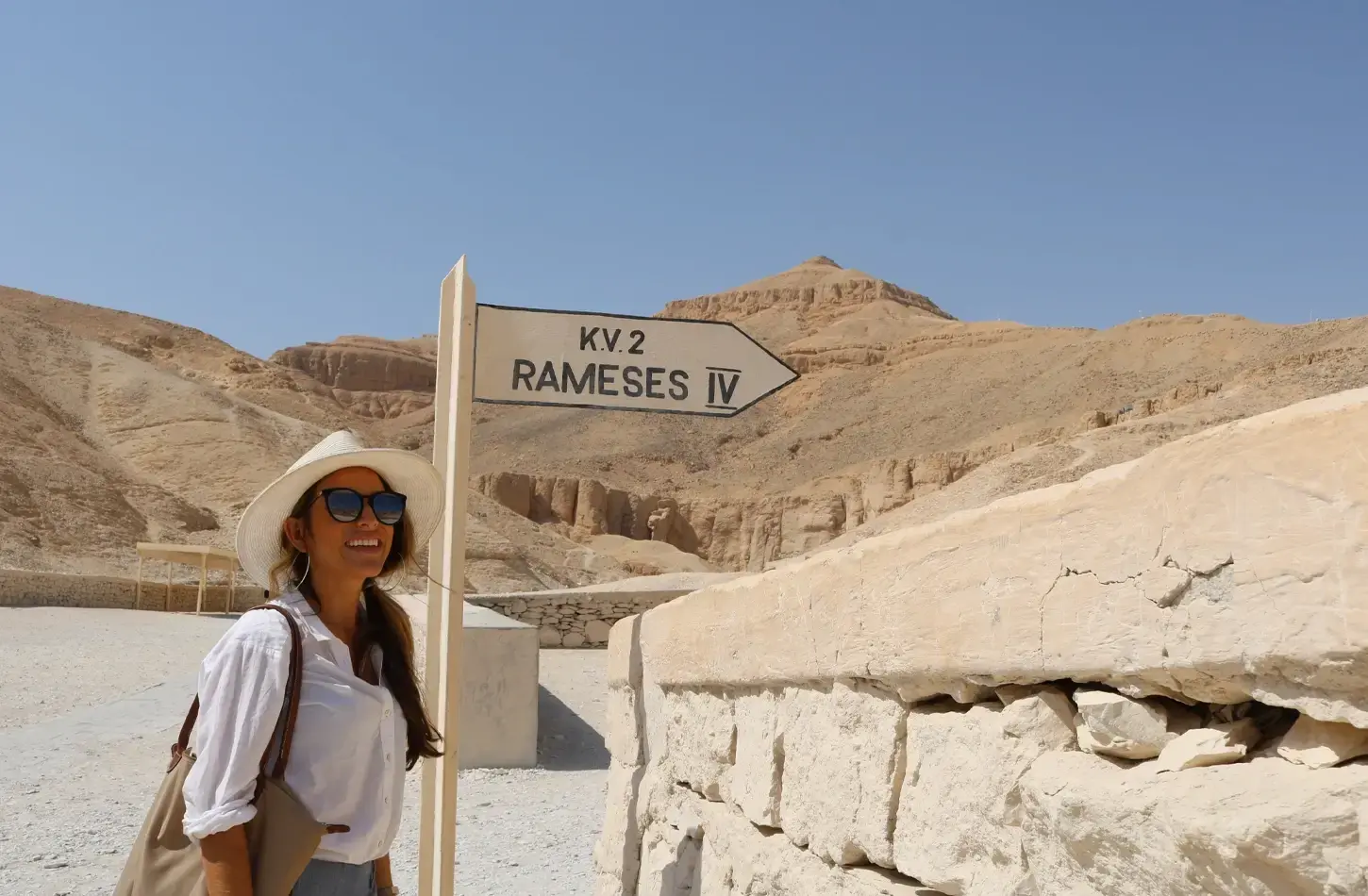
January is the perfect time to visit the Valley of the Kings because its interiors remain naturally cool (at 22°C year-round), while the outside and approach parts are pleasant in January’s weather. The only thing that makes visiting the valley problematic during January peak season is the crowd factor because by 9:00 AM, the most visited tombs (KV9, KV62) begin building up a queue. It is best to arrive there early at 6:30 AM or 7:00 AM. The Temple of Hatshepsut in January morning light with a winter sun peeking over the limestone cliffs at 15°C temperature is an amazing sight.
5. White Desert Camping — January’s Desert Classic
White Desert in January will be perfect for spending the night there because temperatures during the day will be from 14 to 20 degrees, which means there is going to be no problem in enjoying all the chalk rocks. The nights will be very cold with temperatures falling down to 3 to 6 degrees Celsius but with absolutely clear sky, one can enjoy some of the most amazing star-gazing ever seen in Africa, since there is going to be nothing to obstruct your view except for white chalk formations.
6. Coptic Cairo & Old Cairo
The Old Cairo district, comprising the Coptic Quarter, Coptic Museum, Ben Ezra Synagogue, and the Mosque of Amr ibn al-Aas, offers an engaging half-day adventure at any time of year. During January, the festive spirit of the Coptic Christmas persists for two weeks, and the chilly weather makes the streets and alleyways enjoyable to stroll around in at a leisurely pace. Pair this with visits to the adjacent National Museum of Egyptian Civilization (NMEC) with the Royal Mummies Hall to create a highly historically loaded day in Cairo.
7. Felucca & Dahabiya on the Nile at Aswan
Aswan in the month of January (22-24°C day) is considered to be the most beautiful environment in Egypt during the wintertime – the river at its most narrow, islands of date palm trees, Nubian villages seen from the river and the granites of the First Cataract area in the background. The voyage in a felucca boat – 2-3 hours journey in the old-fashioned wooden boat with near-silent passage – will bring you an element of experience which can only be obtained in a felucca boat and not from a cruise ship or the corniche. The river is around 17-18°C warm in January.
Nile Cruise in January: What to Know
Conditions on the Water
A cruise trip in January on the Nile can provide some of the most pleasant daytime sightseeing weather conditions in the whole year: shore trips at 18–23°C and clear skies with great quality of winter light when temples are just perfect for taking pictures. But evenings and nights will differ from October or November, because the temperature becomes 8–10°C and this means you have to be dressed warmly (a jacket and a blanket) during the evening dinner on deck (the blanket is provided by almost all ships).
What to Look For in a January Cruise Ship
- Heated indoor dining areas: all cruise ships do not have heated dining halls – in budget ships, the dining hall is chilly in the evenings of January
- Heating in the cabin: make sure that there is a heater and not just an AC in your cabin – some old ships have poor heating systems
- Double-glazed windows: cabins having single glazing windows are cold in January nights, especially in Aswan where temperature falls below 8°C
- Warm duvets and blankets: common in good ships but should be confirmed for budget ships
💡 JANUARY CRUISE UPGRADE LOGIC
January is the one month where upgrading from a budget ship to a mid-range or deluxe vessel makes the most tangible physical difference — not just in aesthetic comfort but in actual warmth. A budget ship’s outdoor dining in 10°C with a January river wind is genuinely cold; a deluxe ship’s enclosed, heated dining room at the same temperature is comfortable. If you ever considered upgrading your cruise category, January is when the case for it is strongest
Who Should Visit Egypt in January
| Traveler Profile | January: Right Choice? | Reason |
|---|---|---|
| First-time Egypt visitor — comfortable with cold nights | YES — excellent | Perfect daytime temple weather; full experience available; nothing closed |
| First-time visitor — heat-averse, cold-averse | CAUTION — consider Oct/Nov | Cold nights are real; heat is non-issue; but Oct/Nov easier overall |
| Coptic Christmas priority | YES — book 6–8 Jan specifically | One of Egypt’s most authentic cultural events; non-negotiable for this experience |
| Budget-conscious traveler | YES — but book after 8 Jan | Post-New Year pricing drop; best value within the peak season window |
| Photographer | YES — strong choice | Winter light quality; clear air; Nile morning mist; no heat haze |
| Desert / adventure traveler | YES — best desert month | White Desert camping at peak; Siwa comfortable; hot air balloon optimal |
| Honeymooner | YES — with the right ship | Warm Nile evenings with proper layers; intimate Aswan; luxury options excellent |
| Family with children | YES — with warm clothing prepared | Comfortable daytime; children need proper jackets for evenings |
| Diver / snorkeller | MIXED — Red Sea only in wetsuit | 22–23°C water; diving excellent with a 5mm wetsuit; casual swimming can feel cold |
What to Pack for Egypt in January
January requires a different packing strategy from any other Egypt travel month. The temperature swing — from 7°C at dawn to 23°C at noon — within a single day means you need clothing that works across a 16-degree range.
| Category | What to Bring | January-Specific Note |
|---|---|---|
| Base layer | Thermal undershirt or merino wool base layer | For cold mornings and evenings — more important than in any other Egypt month |
| Mid layer | Fleece or light wool sweater | The essential layer for 10–15°C conditions — ideal for dawn temple visits and evenings on deck |
| Outer layer | Proper insulated jacket (not just a thin windbreaker) | Temperatures in Aswan can reach around 8°C before dawn, making a proper jacket essential |
| Daytime clothing | Lightweight long-sleeved shirts and light trousers | Peel down to this layer by around 10:00 AM as temperatures rise to approximately 18–23°C |
| Sun protection | SPF 30+, sunglasses, and a hat | January sunshine is gentler but still important during long outdoor sightseeing days |
| Footwear | Comfortable closed-toe walking shoes; consider a warmer option for evenings | Cold stone temple floors in the early morning can make warmer footwear particularly useful |
| Swimwear | Only if visiting the Red Sea with appropriate wetsuit gear | Red Sea water around 22–23°C is comfortable for diving with a 5mm wetsuit but may feel cold for casual swimming |
| Desert camping extras | Sleeping bag rated to -5°C, thermal gloves, and a warm hat | White Desert overnight temperatures can fall to around 3–6°C, so lightweight summer camping gear is not sufficient |
Sample January Itineraries
7-Day Classic Egypt in January
| Day | Location | Highlights |
|---|---|---|
| Day 1 | Arrive Cairo (ideally 8 Jan+) | Evening arrival, hotel check-in, and a short walk through Khan el-Khalili — bring a warm jacket for the evening. |
| Day 2 | Cairo — Giza + GEM | 7:00 AM visit to the Pyramids of Giza — arrive wearing warm layers and remove them as temperatures rise. Continue to the Grand Egyptian Museum for a half-day visit, with the Egyptian Museum as an optional addition. |
| Day 3 | Fly to Luxor; board cruise | Fly to Luxor, board your Nile cruise, and visit Luxor Temple in the late afternoon before departure. |
| Day 4 | Luxor West Bank | Early 6:30 AM visit to the Valley of the Kings, followed by the Temple of Hatshepsut. Optional pre-dawn hot air balloon ride — temperatures can be very cold, so dress accordingly. |
| Day 5 | Sailing south; Edfu + Kom Ombo | Morning visit to Edfu Temple, followed by sailing south and an afternoon visit to Kom Ombo around sunset. Enjoy the evening on deck with warm layers or blankets. |
| Day 6 | Arrive Aswan; Philae + felucca | Morning visit to Philae Temple in the crisp winter light, followed by an afternoon felucca sailing experience on the Nile. A warm jacket is recommended on the water. |
| Day 7 | Aswan; fly home | Optional early excursion to Abu Simbel, followed by a visit to the Nubian Museum. Fly to Cairo and continue with your international departure. |
10-Day Egypt — Coptic Christmas + Full Circuit (6–16 January)
| Day | Location | Highlights |
|---|---|---|
| Day 1 (6 Jan) | Arrive Cairo | Evening arrival and hotel check-in, followed by a visit to the Coptic Quarter to experience the atmosphere of Coptic Christmas Eve. |
| Day 2 (7 Jan — Coptic Christmas) | Cairo | Morning church visits and Christmas atmosphere in the Coptic Quarter, followed by the Coptic Museum in the afternoon and an evening walk through Khan el-Khalili. |
| Day 3 | Cairo | Early 7:00 AM visit to the Giza Plateau, followed by a morning visit to the Grand Egyptian Museum. Saqqara can be added as an optional afternoon excursion. |
| Day 4 | Fly to Luxor; board cruise | Fly to Luxor and visit the West Bank in the late afternoon, including the Colossi of Memnon and a short temple visit, before boarding the Nile cruise. |
| Day 5 | Luxor West Bank | Early morning visit to the Valley of the Kings, followed by the Temple of Hatshepsut. An optional hot air balloon ride can be arranged on Day 5 or Day 6. |
| Day 6 | Sailing; Edfu | Morning visit to Edfu Temple, followed by afternoon sailing. Some cruise operators may offer an evening visit to Kom Ombo with special lighting. |
| Day 7 | Arrive Aswan | Visit Philae Temple in the late afternoon, enjoy a sunset felucca ride on the Nile, and optionally visit a Nubian village. |
| Day 8 | Aswan + Abu Simbel | Early morning flight or excursion to Abu Simbel, returning to Aswan around midday, followed by an afternoon visit to the Nubian Museum. |
| Day 9 | White Desert (via Cairo) | Fly from Aswan to Cairo in the morning, then travel by road to Bahariya Oasis and continue into the White Desert for an overnight camping experience. |
| Day 10 | White Desert / Cairo departure | Enjoy the White Desert landscape in the morning before driving back to Cairo for your onward or international departure. |
Plan Your January Egypt Trip with Egy Vacations
January is the time when the Egy Vacations gets its maximum bookings; this is also the period where all the preparations pay off the most in terms of value for money. The perfect planning of a holiday in January will ensure your access to the right cruise ship with the proper heating in cabins, early morning visits to temples, and Coptic Christmas celebration which needs no planning at all.
Our most popular January formats:
- 8-day Classic Egypt (Cairo + Nile cruise): our flagship package, timed to begin after 8 January for best pricing
- 10-day Egypt with Coptic Christmas: arriving 6 January, leaving 16 January — builds the Coptic Christmas experience into Day 1–2 before the Nile circuit
- White Desert extension: 2-night add-on after the Nile circuit for those wanting desert camping in January’s ideal conditions
- Private Egypt tours: fully flexible scheduling, private Egyptologist guide, and private transport — particularly valuable in January when pre-dawn timing and crowd avoidance require coordination
- Honeymoon packages: luxury Aswan hotel nights, dahabiya options, private Nile excursions
💡 EGY VACATIONS JANUARY RECOMMENDATION
To get maximum value for money: choose to travel from 8 January onwards to bypass the New Year surcharge. To see the whole month of January: arrive on 6 January, start your trip with days 1-2 in Coptic Cairo celebrating Christmas, and begin your Nile tour. For those who have not been to Egypt and unsure of the cold: our advice to all January travelers regarding packing is tailored according to the weather and the itinerary is planned to ensure that the days when it gets cold are properly sorted out.
Frequently Asked Questions
Is January a good time to visit Egypt?
Yes – January is indeed one of Egypt’s best months to go sightseeing in terms of cool temperatures (Cairo 17-19°C, Luxor 22-23°C, Aswan 23-24°C), clear skies, and no need for heat management. The critical point: It will get cold at night in January (Upper Egypt 7-10°C, desert 3-6°C). Make sure you pack your clothes accordingly. While crowds will be high and costs will be higher than in shoulder months, January 8th-31st provides travelers with the best deal during Egypt’s peak winter season.
How cold does it get in Egypt in January?
Cold enough to surprise many travelers – overnight temperatures: Cairo 9-11°C, Luxor 7-9°C, Aswan 8-10°C, desert areas such as Siwa Oasis, White Desert 3-6°C. Daytime temperatures in January will be between 17-24°C, depending on location, with the daily temperature difference being up to 16°C. Insulated jacket, warm fleece, and base layers are necessary for early-morning temple tours or any outdoor nighttime activity. Night temperatures at the Red Sea coast area are higher (14-16°C).
What is Coptic Christmas and should I time my trip around it?
Coptic Christmas is celebrated on 7 January by Egypt’s approximately 10 million Coptic Orthodox Christians. In Cairo’s Old City (Coptic Quarter), the days surrounding 7 January — particularly the night of 6–7 January — see midnight masses, candlelit processions, and traditional celebrations at historic churches including the Hanging Church and the Church of Abu Serga. This is an authentic cultural event that is not staged for tourists. Visiting Coptic Cairo on 6–7 January is one of Egypt’s most genuine and moving experiences. Non-Christians are welcome at most services with appropriate dress and respectful behaviour.
What are the prices like in January?
January has two distinct pricing phases. The first week (1–7 January) sees the year’s highest hotel and cruise rates — New Year holiday demand pushes prices 15–25% above standard peak. From 8 January onwards, prices drop to standard peak-season rates, which are still 20–30% higher than October shoulder season. The 8–31 January window offers the best value of the December–February peak period: identical weather, lower prices than December, and fewer New Year crowds after the first week.
Is the Nile cruise good in January?
Yes — January Nile cruises offer excellent daytime sightseeing conditions (18–23°C at shore excursion time) and exceptional photography light. The trade-offs: evening deck temperature drops to 8–10°C (warm clothing and blankets required for outdoor time), and ship pools are closed. Upgrading to a mid-range or deluxe ship is more worthwhile in January than in warmer months — heated dining rooms and proper cabin heating make a tangible physical difference. All ships run full January schedules.
