

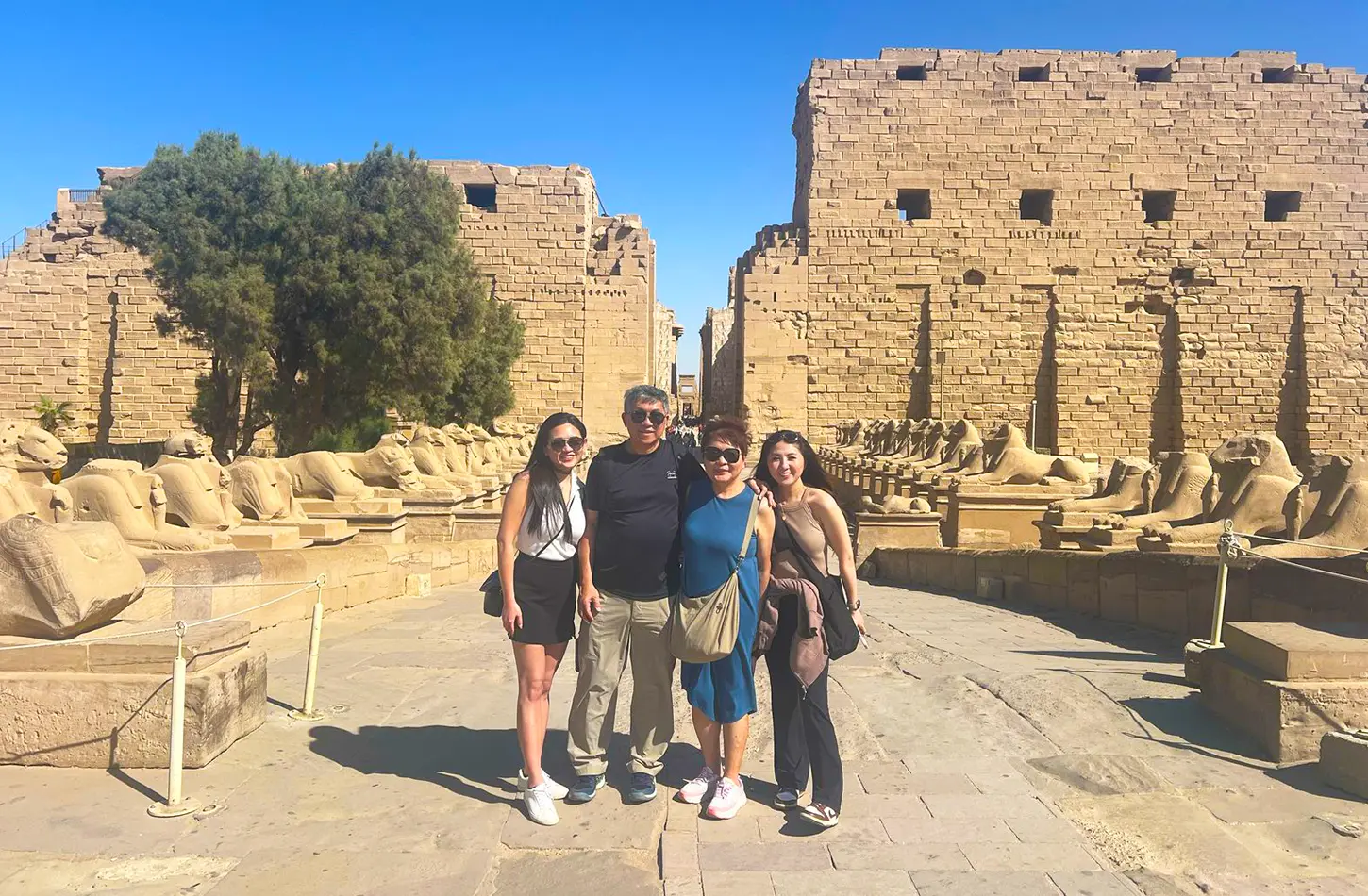
Planning a trip to Egypt is exciting, inspiring, and sometimes a little overwhelming. From ancient temples and bustling souks to desert landscapes and the Nile River, Egypt offers a unique blend of history, culture, and adventure. To enjoy your journey fully, preparing the right Egypt packing list is essential. Knowing what to bring will help you stay comfortable, respectful of local customs, and ready for every experience this remarkable country offers.
This guide is written to help you understand not just what to pack, but why it matters. Along the way, we will explore Egypt’s history, architecture, purpose as a travel destination, fascinating facts, and even what you can expect inside some of its most famous landmarks.
Understanding Egypt Before You Pack
Egypt is one of the world’s oldest civilizations, with a history stretching back more than 5,000 years. The country’s purpose as a destination goes beyond sightseeing; it is a living museum where ancient traditions blend with modern life. Cairo’s skyline mixes medieval mosques with contemporary buildings, while Luxor and Aswan feel like open-air history books filled with temples, tombs, and monuments.
Egyptian architecture reflects this long timeline. Ancient stone structures such as the pyramids were built for eternity, while Islamic Cairo showcases intricate domes, minarets, and courtyards designed for both beauty and function. When you step inside temples like Karnak or tombs in the Valley of the Kings, you will notice detailed carvings, hieroglyphs, and carefully planned interiors meant to honor gods and guide souls into the afterlife. Understanding this context helps you pack with intention, choosing items that support long days of exploration and respect for sacred spaces.
The Best Time to Visit Egypt and How It Affects Packing
The best time to visit Egypt is generally between October and April, when temperatures are milder, and sightseeing is more comfortable. During these months, daytime weather is pleasant, especially in cities like Cairo and Alexandria, while evenings can be cool, particularly in desert areas.

Summer, from May to September, can be extremely hot, especially in Upper Egypt and the south. If you visit during this period, your Egypt packing list should prioritize lightweight, breathable clothing and sun protection. Seasonal differences also affect footwear, outer layers, and even skincare, so considering the timing of your trip is a key part of preparation.
What to Wear in Egypt for Comfort and Respect
What to wear in Egypt is one of the most common questions travelers ask. Egypt is a predominantly Muslim country, and while tourists are not expected to dress like locals, modest clothing is appreciated, especially in religious sites and rural areas. In cities and resorts, dress codes are more relaxed, but comfort and cultural awareness should guide your choices.
Loose-fitting clothes made from natural fabrics like cotton or linen work well in Egypt’s climate. Long sleeves and longer hemlines are useful not only for modesty but also for sun protection. Comfortable walking shoes are essential, as many attractions involve uneven stone floors, sand, or long distances. When visiting mosques, women may need a scarf to cover their hair, and both men and women should cover their shoulders and knees.
Building the Ideal Egypt Packing List
Creating an effective Egypt packing list involves striking a balance between practicality and cultural sensitivity. You will likely spend hours exploring outdoor sites under the sun, followed by evenings in restaurants or on a Nile cruise. Versatile clothing that can transition between activities is extremely helpful.
Beyond clothing, personal items play a big role in your comfort. Sun protection is crucial due to Egypt’s strong sunlight, and staying hydrated is important year-round. A small day bag can be useful for carrying essentials while sightseeing, especially when visiting large temple complexes or museums.
Travelers often search for a packing list for Egypt that covers every scenario, from city tours to desert excursions. While each traveler’s needs differ, thinking about Egypt’s climate, infrastructure, and daily rhythms will help you make smart choices without overpacking.

What to Pack for Egypt: Essentials Explained
When considering what to pack for Egypt, it helps to imagine a typical day. You might start early to avoid crowds at the pyramids, spend midday walking through museums, and end the evening dining along the Nile. Items that support comfort, health, and organization are key.
Reusable water bottles are useful, especially when paired with bottled water purchases. Personal medications, basic first-aid supplies, and travel-sized toiletries are important, as some familiar brands may not be readily available everywhere. Power adapters are also essential, as Egypt uses different plug types than many other countries.
Exploring Egypt’s Interior Spaces and Why Preparation Matters
Many of Egypt’s most famous attractions are known for their interiors as much as their exteriors. Inside the Great Pyramid, narrow passageways and low ceilings require physical awareness and comfortable clothing. Tombs in the Valley of the Kings feature vibrant wall paintings preserved for thousands of years, but they can be warm and humid inside.
Mosques, churches, and historic houses often have stone floors and require visitors to remove shoes or walk carefully. Having appropriate socks, breathable clothing, and small bags you can carry easily makes these visits more enjoyable. Packing thoughtfully allows you to focus on the experience rather than discomfort.
Must-See Attractions and How They Influence Packing Choices
Egypt’s must-see attractions are diverse, and each type of site may influence what you bring. The pyramids of Giza involve open desert spaces with little shade, making sun protection and sturdy shoes essential. The Egyptian Museum and the Grand Egyptian Museum require comfortable clothing for long indoor walks and hours of standing.
In Luxor, temples like Karnak and Luxor Temple cover vast areas, while Abu Simbel involves travel to a remote location where preparation is crucial. If your itinerary includes the Red Sea, such as Hurghada or Sharm El Sheikh, swimwear and casual resort clothing become part of your Egypt packing list. Understanding your route helps ensure you are prepared for every highlight.
Facts About Egypt Every Traveler Should Know
Egypt is home to more than 100 million people and stretches across two continents, Africa and Asia. The Nile River, the longest river in the world, has shaped Egyptian life, agriculture, and culture for millennia. Despite its ancient image, Egypt is a modern country with bustling cities, shopping malls, and contemporary art scenes.

Cash is still widely used, especially in smaller towns, and walking can be a big part of daily exploration. These facts remind travelers that Egypt is both historic and practical, and packing should reflect this balance.
Cultural Awareness and Practical Preparation
Packing for Egypt is not just about physical items but also about mindset. Respecting local customs, being patient in busy areas, and understanding cultural norms will enhance your trip. Modest clothing, polite behavior in religious spaces, and openness to local traditions go a long way.
Security checks are common at major attractions, so carrying minimal but organized belongings helps speed up entry. Having copies of important documents, either digital or physical, adds peace of mind.
Final Thoughts on Creating the Perfect Egypt Packing List
A well-planned Egypt packing list sets the foundation for a smooth and memorable journey. By considering Egypt’s climate, history, architecture, and cultural values, you can pack in a way that supports both comfort and respect. From ancient interiors filled with hieroglyphs to sunlit temples and lively streets, every experience becomes richer when you are prepared.
Egypt is a destination that rewards curiosity and preparation. With thoughtful packing and an understanding of what to expect, you can focus on discovering its timeless wonders, connecting with its vibrant culture, and creating memories that last a lifetime.