7 Days / 6 Nights
Daily Tour
Unlimited
English
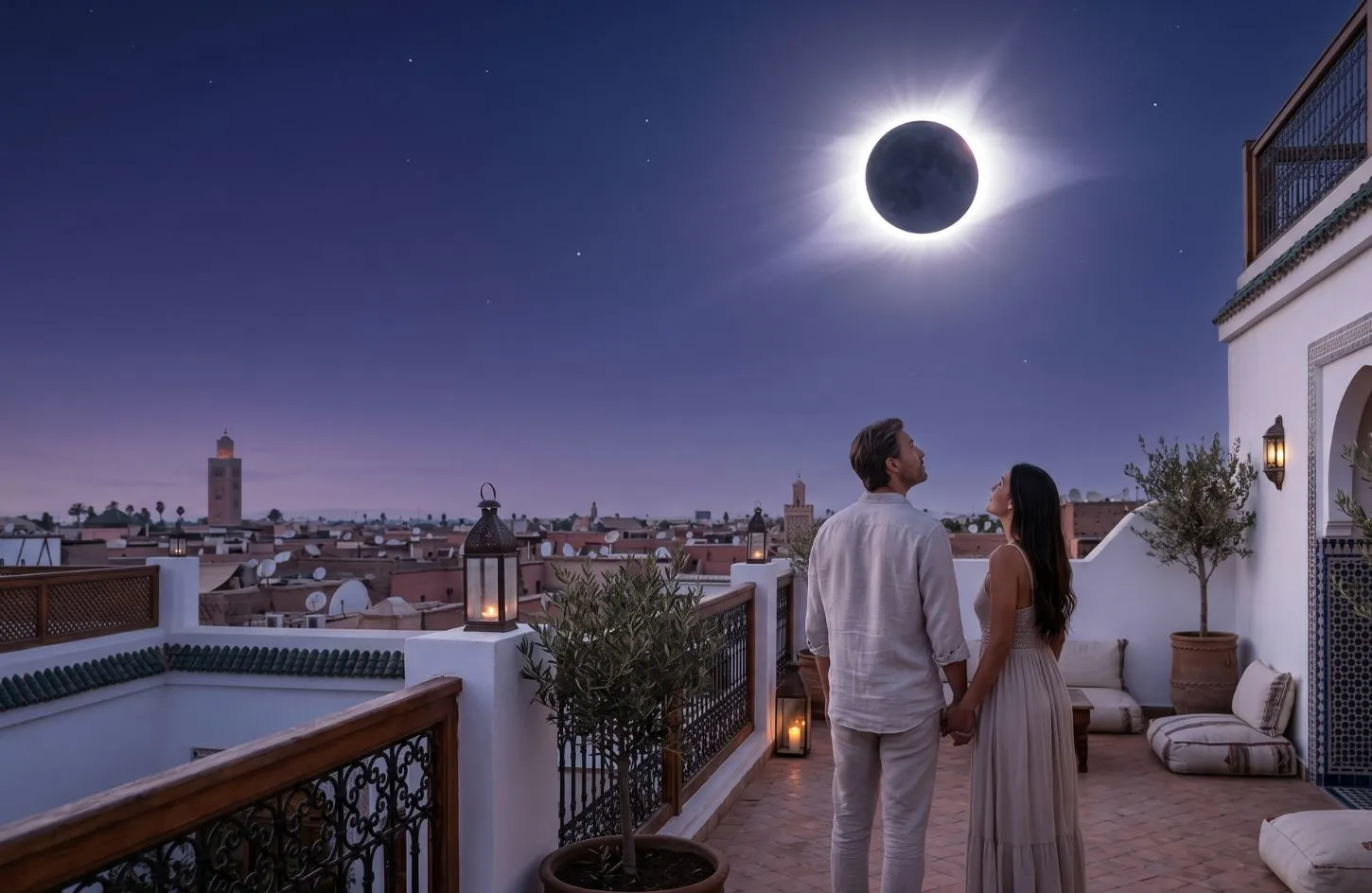
Few moments in nature rival the awe of a total solar eclipse — and fewer destinations are as captivating as Tangier, Morocco. Perched at the crossroads of Africa and Europe, where the Atlantic Ocean meets the Mediterranean Sea, this ancient city offers a sensational stage for one of the sky’s grandest performances. Over seven days, you will explore Tangier’s layered medina, stand inside a landmark shared by three continents’ faiths, drive through the blue-washed streets of Chefchaouen, and trace Andalusian heritage in Tétouan — all building toward the climax: totality at the historic Cape Spartel Lighthouse as the moon’s shadow sweeps across northern Morocco.
Your journey begins with an overnight flight to Tangier, Morocco. Settle in and let the anticipation build — the ancient city awaits.
Overnight flight to Morocco
Arrival · Welcome Reception
Touch down in Tangier and transfer to your hotel, where your room and a refreshing welcome await. This evening, gather with fellow travelers for a relaxed welcome reception — a warm introduction to the people and stories that will accompany you over the days ahead.
Medina Tour · Landmark Visits · Optional Cooking Class
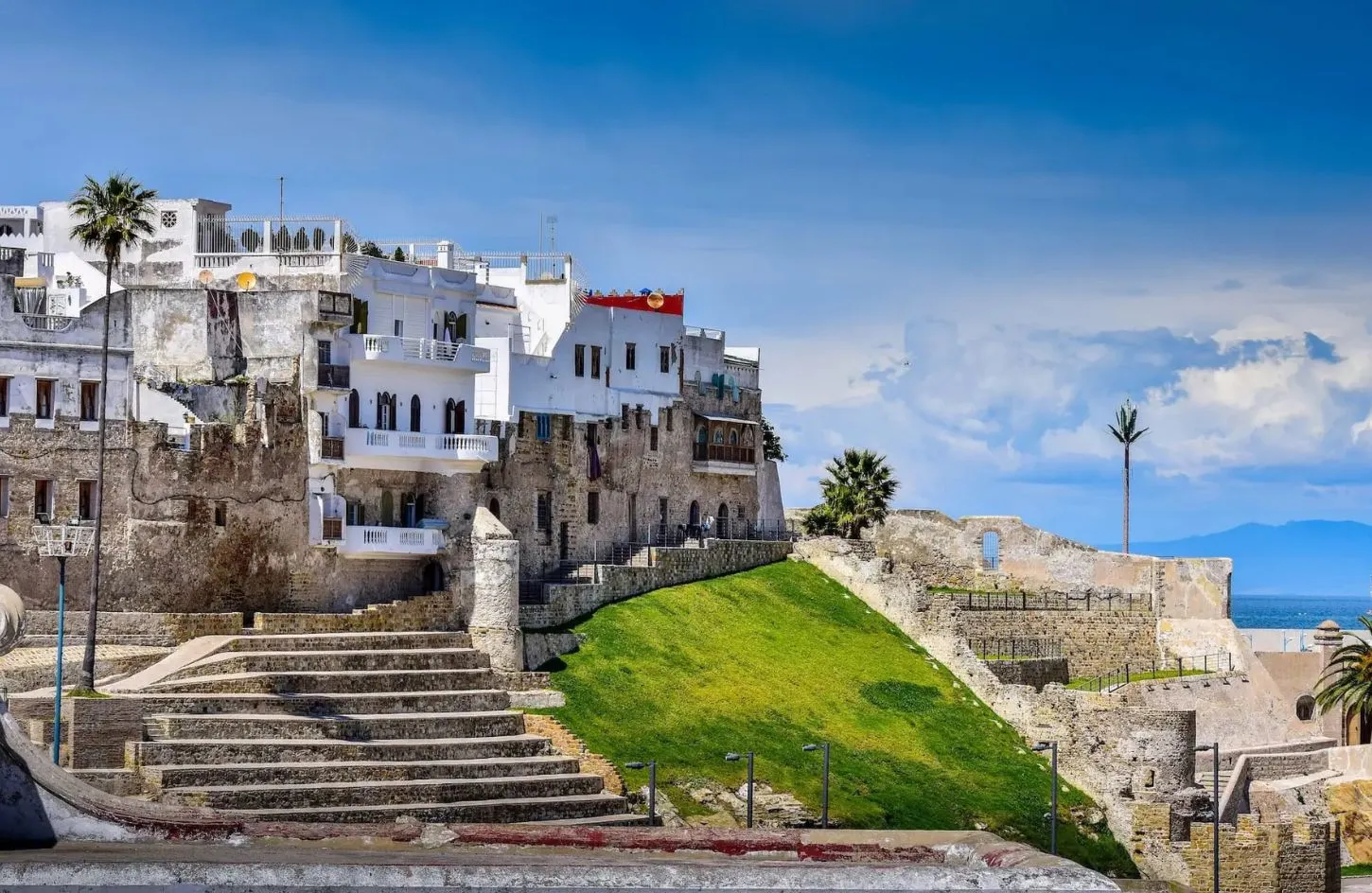
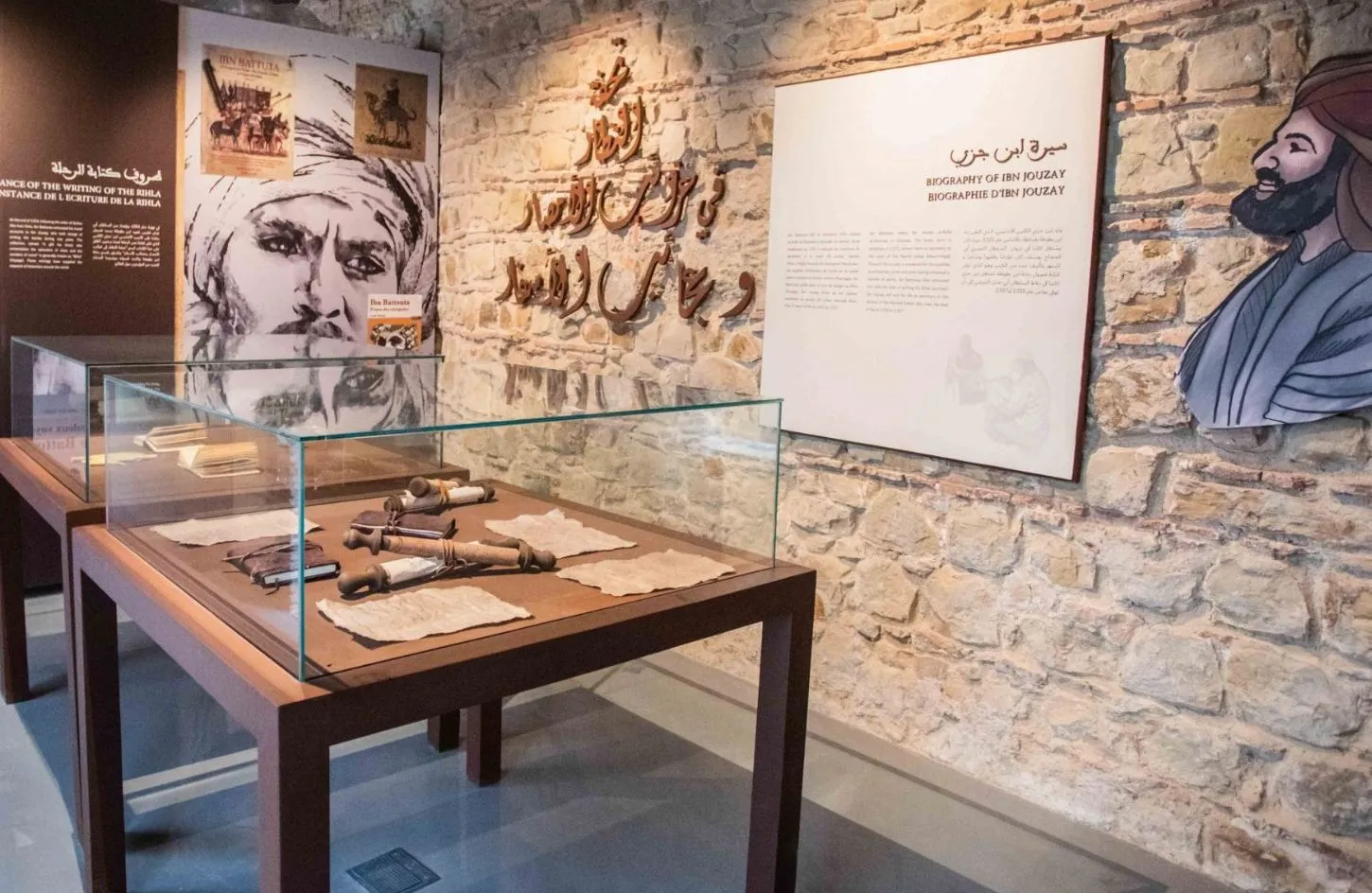
Rise for a richly layered guided tour through Tangier's medina, beginning at the Ibn Battuta Museum, opened in 2023 in honor of the city's most celebrated son. Born here in 1304, Ibn Battuta spent 29 years crossing 44 modern countries and covering more than 75,000 miles — a range that surpassed even Marco Polo's. Interactive exhibits reconstruct his extraordinary routes, from the bazaars of Cairo to the sultan's court in Delhi.
★ Ibn Battuta Museum — honoring the world's greatest medieval traveler
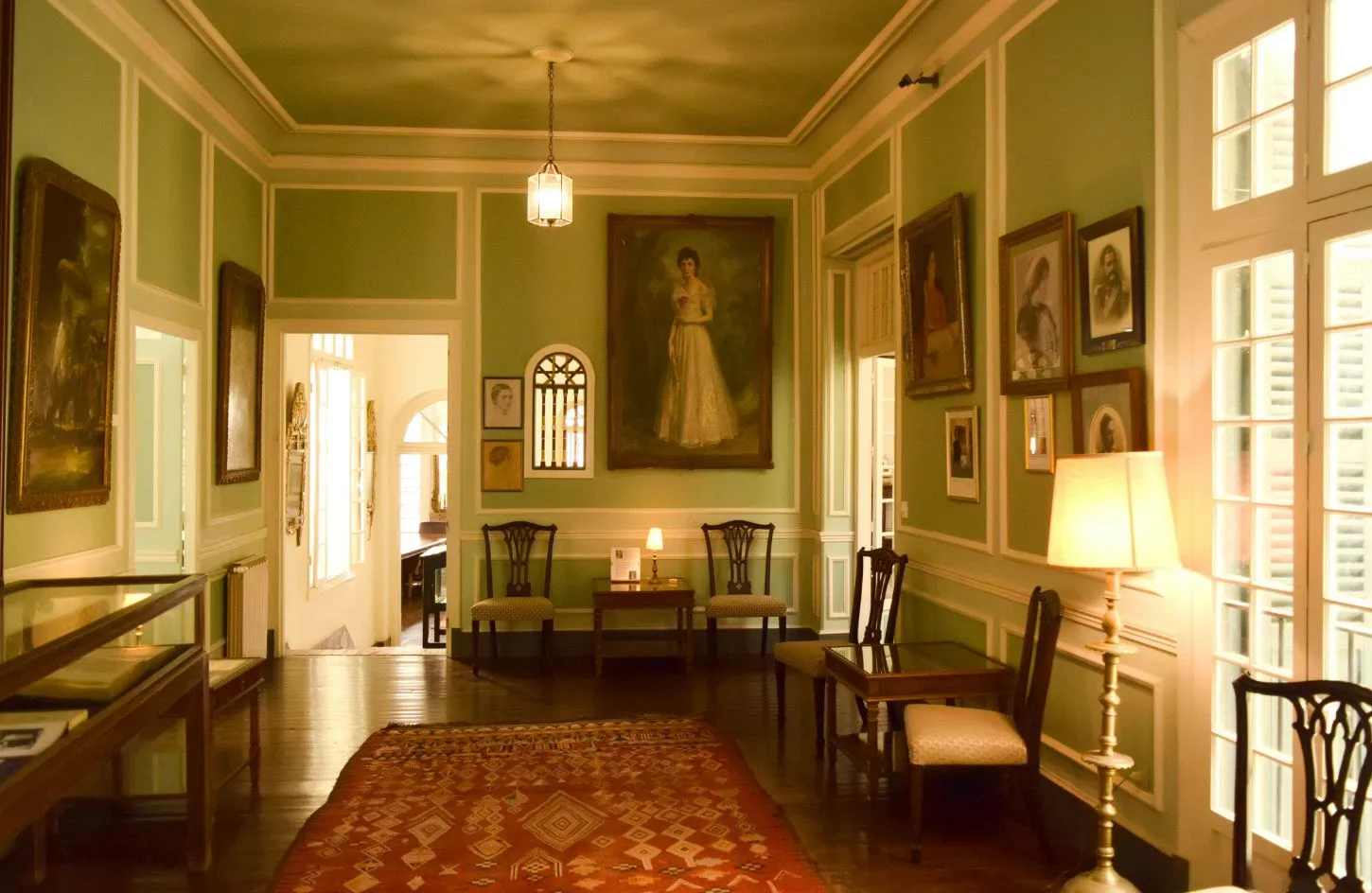
Continue to the Tangier American Legation, one of the most singular diplomatic sites in the world. This five-story Moorish mansion served as the American consulate for 140 years and holds the distinction of being the first property ever owned abroad by the U.S. Government — and to this day, the only U.S. National Historic Landmark located outside the United States.
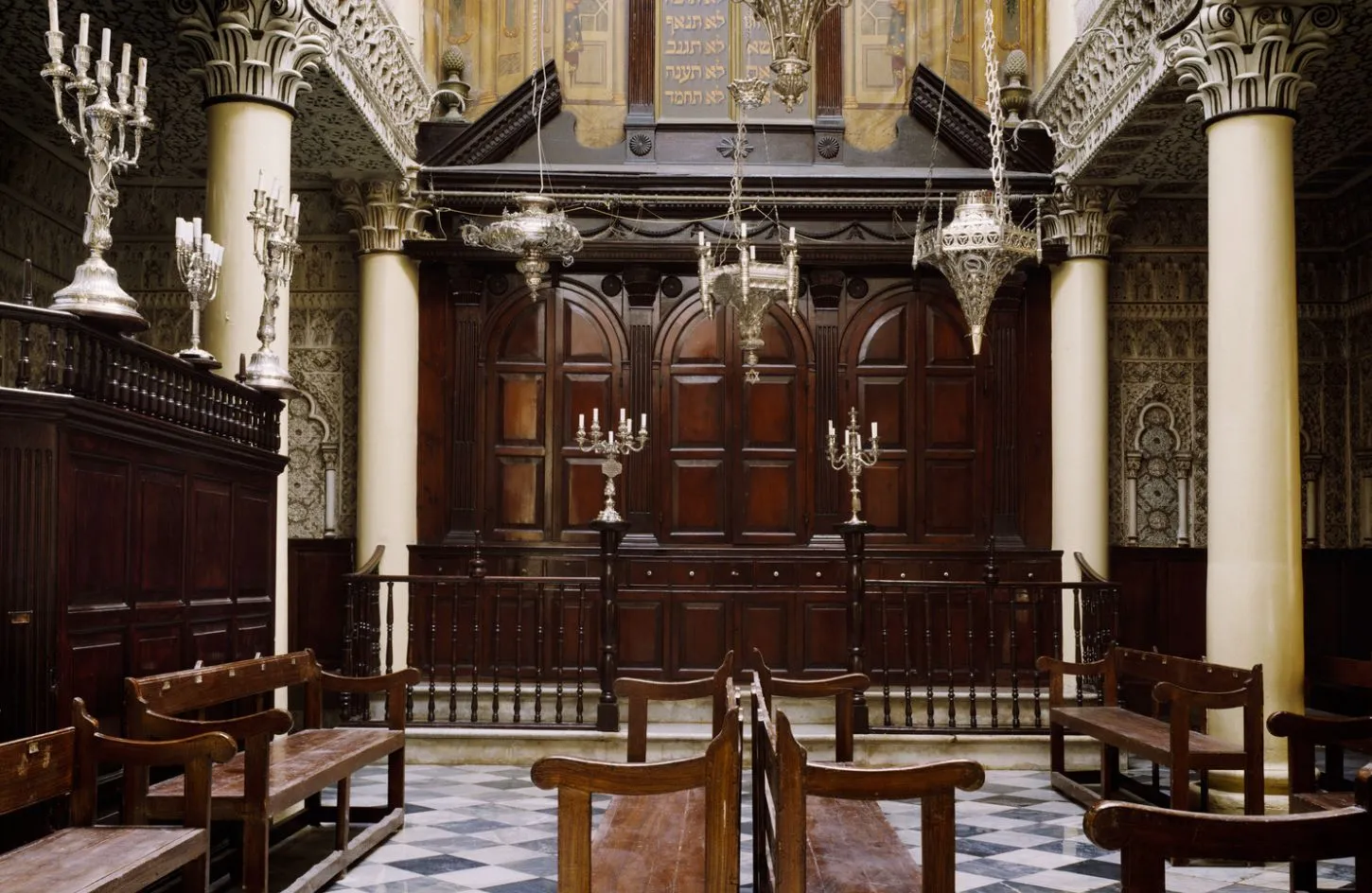
A short walk through the Beni Idir quarter brings you to the Moshe Nahon Synagogue, built around 1878 and beautifully restored more than a century later in 1994. It stands as a quiet testament to Tangier's centuries-old Jewish community and its enduring place in the city's multicultural identity.
Lunch is served at Villa Mabrouka, the legendary clifftop estate once owned by fashion designer Yves Saint Laurent. Few settings in northern Morocco combine history, beauty, and haute culture so effortlessly.
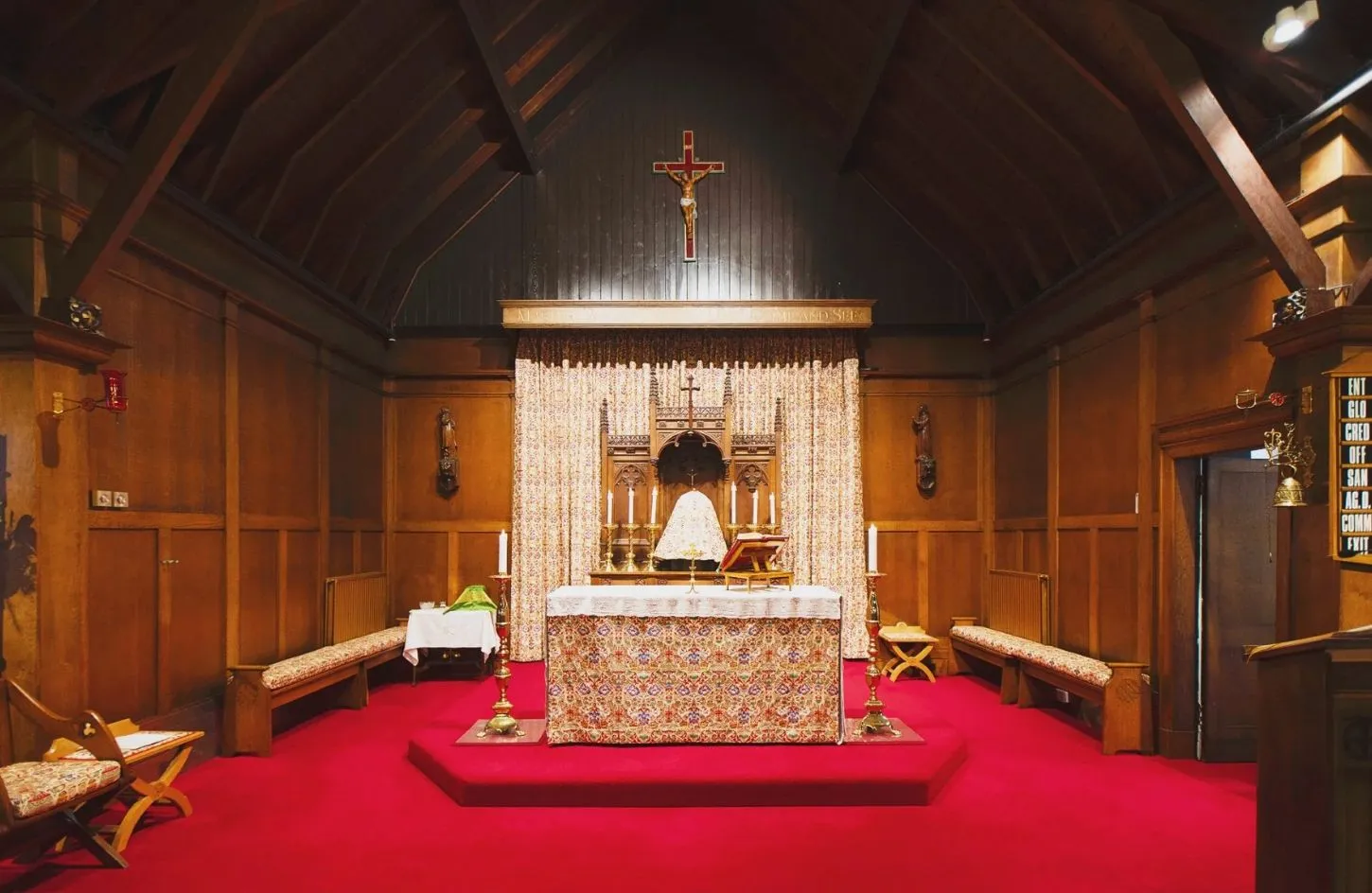
After lunch, visit St. Andrew's Church — consecrated in 1905 and among the oldest continuously operating Anglican churches in North Africa. Inside, Moroccan craftsmen left an extraordinary mark: carved stucco, intricate zellij tilework, and a gilded Lord's Prayer rendered in Arabic script above the chancel arch.
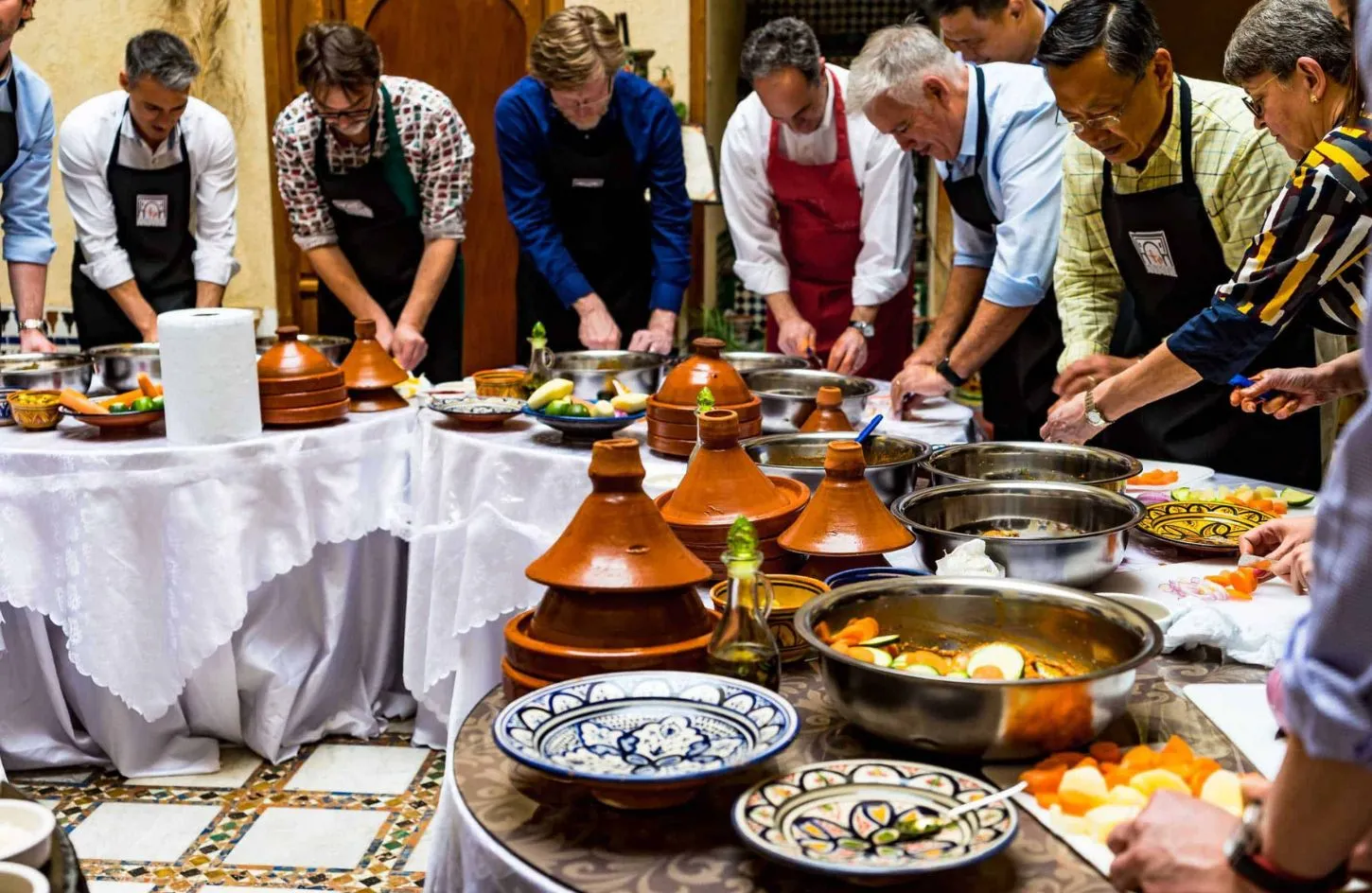
OPTIONAL • Private cooking class with a Moroccan chef — a hands-on exploration of the country's culinary traditions.
The evening brings the group together for dinner.
Day Trip to the Blue Pearl
After breakfast, depart for one of Morocco's most visually arresting destinations: Chefchaouen, the "Blue Pearl" of the Rif Mountains. Perched at 1,840 feet above sea level, the town is defined by its medina, washed entirely in shades of powder blue, azure, and teal — a chromatic spectacle with deep cultural and spiritual roots.
★ The Blue Medina — an entire city washed in shades of blue and teal
At the heart of Plaza Uta el-Hammam stands the Kasbah, the original 1471 fortress whose high clay walls and crenelated ramparts rise in warm contrast against the surrounding blue homes. A guided tour reveals the layers of Berber, Andalusian, and Arab influences that shaped this singular place.
Enjoy a group lunch in Chefchaouen before making the scenic return to Tangier, where dinner awaits.
★ Total Solar Eclipse Viewing
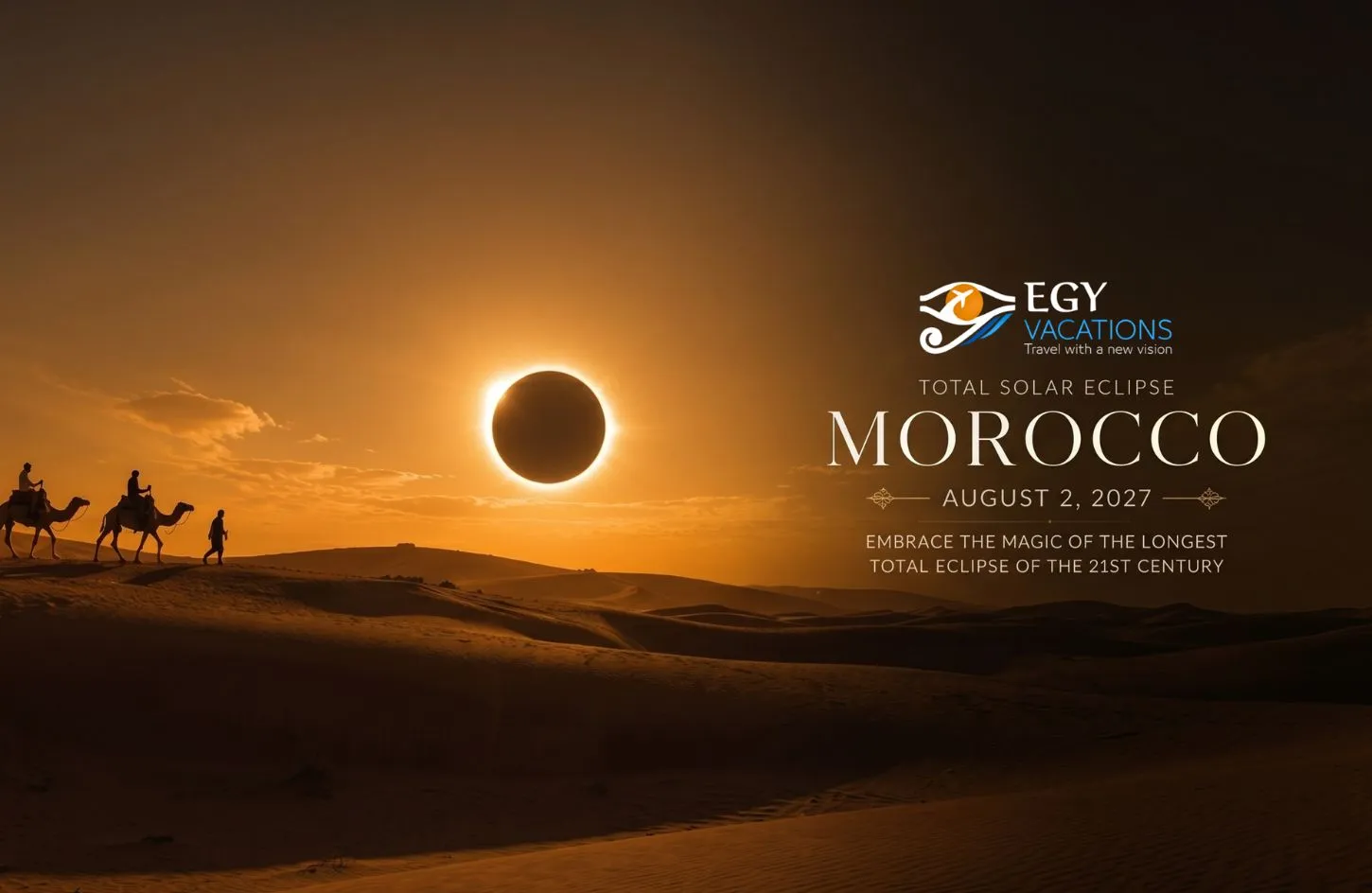
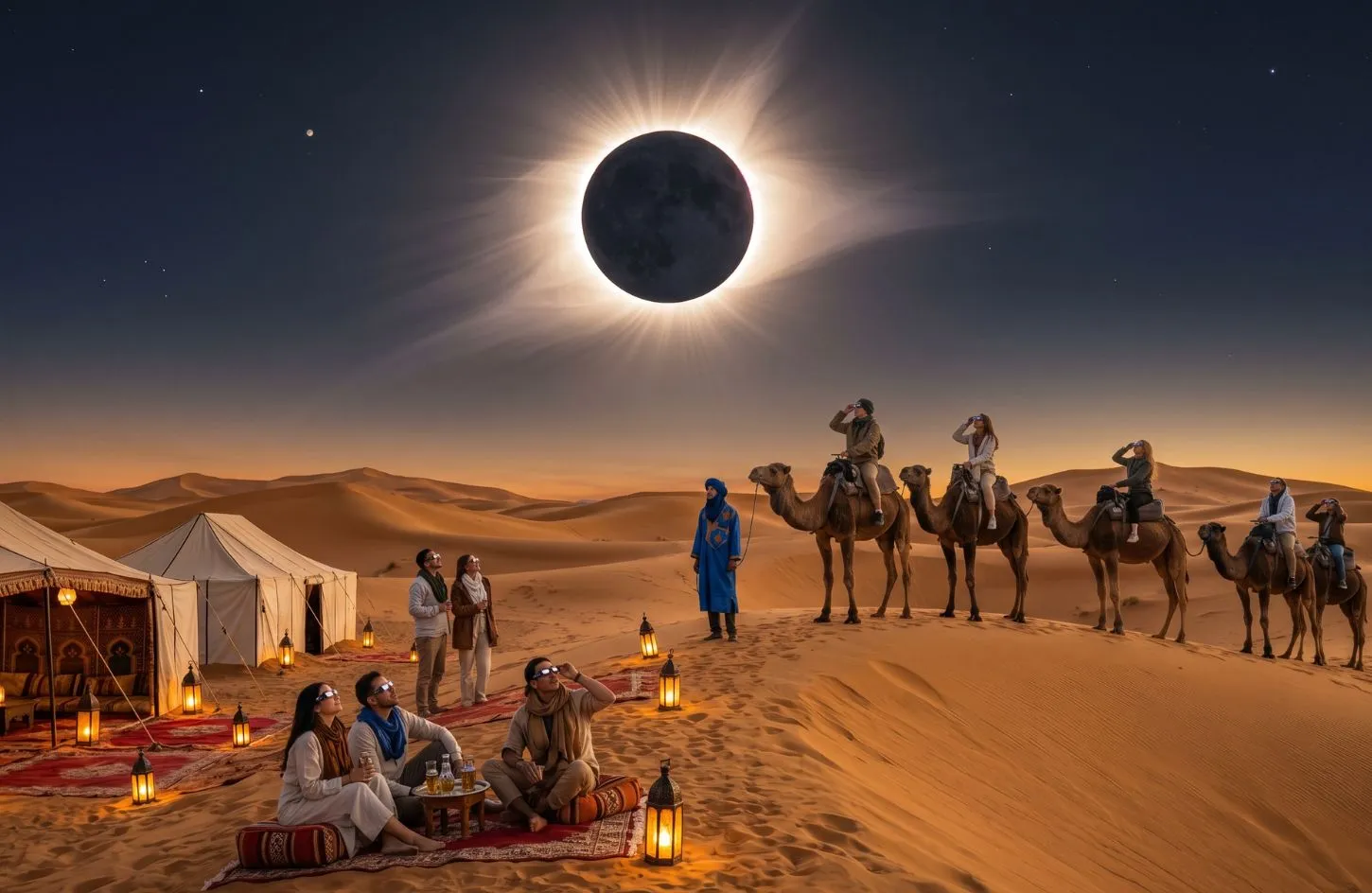
Today is the heart of the journey. After breakfast, make your way to Cape Spartel — the dramatic promontory where the Atlantic Ocean meets the Mediterranean Sea — to witness one of nature's most awe-inspiring events: a total solar eclipse.
★ TOTALITY — The moon's shadow sweeps across northern Morocco
The eclipse will be observed from the grounds of the 19th-century Cape Spartel Lighthouse, Morocco's oldest lighthouse. Built in the 1860s, it features a distinctive Maghreb-inspired square minaret and a commanding panoramic position, making it an iconic backdrop for this celestial event. Nearby, the legendary Caves of Hercules add a mythological dimension to the already remarkable setting.
As daylight returns and the crowd's murmurs give way to wonder and applause, gather for a celebratory lunch. The remainder of the afternoon is yours to relive the moment at leisure.
Excursion · Farewell Dinner
This morning, travel to Tétouan — often called the "Daughter of Granada" for the depth of its Andalusian heritage. The city's UNESCO-listed medina bears the architectural and cultural imprint of Moorish refugees who settled here after the fall of Granada in 1492, creating one of the most intact Hispano-Moorish urban landscapes in Morocco.
Visit the Ethnographic Museum of Tétouan (Musée Ethnographique), whose rich collections illustrate the material culture, dress, crafts, and domestic life of northern Morocco across the centuries. A group lunch follows, with the afternoon free for personal exploration of Tétouan's workshops, souks, and hidden courtyards.
★ Farewell Dinner — an evening of music, food, and celebration
This evening, the group gathers one final time for a festive farewell dinner, accompanied by a live performance — a fitting close to a journey defined by remarkable places and shared wonder.
Return Flights
After a final breakfast in Tangier, transfer to the airport for your return flight home — carrying with you the memories of ancient medinas, blue mountain towns, and a sky turned briefly dark at midday above the edge of Africa.
Visa requirements depend on your nationality. Citizens from many countries, including the USA, Canada, and most European nations, can enter Morocco visa-free for up to 90 days. It’s best to check the Moroccan embassy website or contact your local consulate for the latest visa information before traveling.
The best time to visit Morocco is during spring (March to May) and autumn (September to November) when the weather is mild and pleasant. Summers can be very hot, especially in the desert and southern regions, while winters may be chilly in the mountains.
Yes, Morocco is generally safe for tourists. Petty theft can occur in crowded areas, so it’s advisable to stay vigilant and keep your belongings secure. Avoid traveling alone at night in unfamiliar neighborhoods and follow local customs and advice from your guides.
Arabic and Berber are the official languages of Morocco. French is widely spoken, especially in business and tourism. English is increasingly common in tourist areas, but learning a few basic Arabic or French phrases can enhance your experience.
Morocco is a predominantly Muslim country with conservative dress customs. It’s respectful to dress modestly, especially when visiting religious sites or rural areas. Lightweight, breathable clothing that covers shoulders and knees is recommended. Women might consider carrying a scarf to cover their heads when entering mosques.
Member Since 2024