

Egypt doesn’t ease you in gently. The moment you step off the plane — whether you’re standing at the foot of a 4,500-year-old pyramid or sailing the Nile at dusk with feluccas gliding past — this country announces itself in a way that few destinations on earth can match.
I’ve been guiding international travelers through Egypt for years, and the question I hear most often before a trip is: where should I actually go? The answer depends on what moves you. History lovers could spend a lifetime in Luxor and still find something new. Divers and beach seekers find paradise along the Red Sea coast. Adventure travelers disappear into the Western Desert and come back changed.
In this guide, I’ve put together the best places to visit in Egypt — from iconic wonders to off-the-beaten-path gems — along with the insider tips I give my own guests before they arrive.
The Pyramids of Giza: Egypt’s Most Iconic Wonder
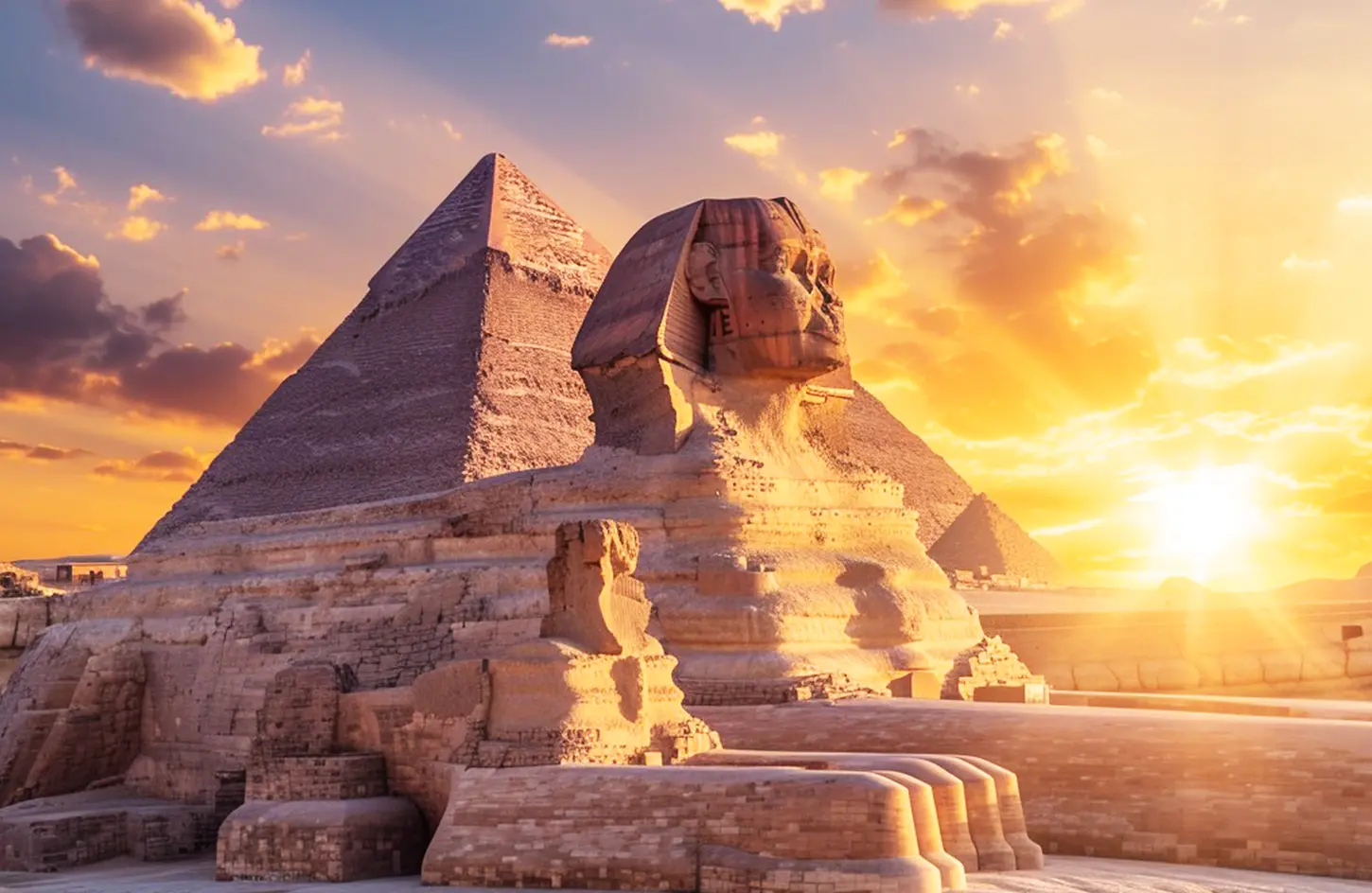
No photograph prepares you for the moment the pyramids come into view. Standing on the Giza Plateau, southwest of Cairo, these three structures — built during Egypt’s Fourth Dynasty over 4,500 years ago — are the only surviving wonders of the ancient world. And they deserve every superlative ever written about them.
The complex centers on three royal tombs:
- The Great Pyramid of Khufu — originally 146 meters tall, it held the record as the world’s tallest structure for nearly 4,000 years
- The Pyramid of Khafre — slightly smaller but appearing taller due to its elevated position; the causeway leading to it is one of the most photogenic walks on the plateau
- The Pyramid of Menkaure — the smallest of the three, though its granite casing stones remain impressive up close
Guarding the complex is the Great Sphinx — a limestone colossus with the body of a lion and the head of a king, carved from a single ridge of bedrock. The mystery of who ordered its construction (most likely Khafre) continues to spark debate among Egyptologists.
Beyond the exterior, you can enter the pyramid chambers themselves — narrow passages leading to ancient burial rooms stripped of their treasures but not their atmosphere. Nearby, the Solar Boat Museum houses the reassembled cedarwood funerary bark of Khufu, one of the oldest intact wooden vessels in the world.
A newer addition worth building time for: the Grand Egyptian Museum sits right on the edge of the plateau and now houses the complete treasures of Tutankhamun’s tomb, displayed in full for the first time.
🧭 Yasser’s Tip: Arrive at the plateau for opening (8:00 AM) if you want the pyramids to yourself — or as close to it as you’ll get. By 10 AM, tour buses fill the parking area. Take the new shuttle bus inside the plateau rather than walking in the midday heat, and don’t skip the eastern face of the Great Pyramid, where the original casing stones are still partially visible.
Practical info: The Giza Plateau is open daily from 8:00 AM. Combine it with a Cairo day tour to cover the plateau, the Sphinx, and the Grand Egyptian Museum in a single well-paced day.
The Grand Egyptian Museum: The World’s Largest Archaeological Museum
Opened to full capacity in the mid-2020s after two decades of construction, the Grand Egyptian Museum (GEM) sits at the foot of the Giza Plateau — and it has already changed the way the world experiences ancient Egypt. With over 100,000 artifacts across 24 themed galleries, it’s the largest museum ever dedicated to a single civilization.
The centerpiece is the complete Tutankhamun collection: more than 5,000 objects from the boy king’s tomb, many of which are on public display for the first time since their discovery by Howard Carter in 1922. The golden funeral mask, the gilded throne, the alabaster canopic shrine — seeing them all together in one purpose-built space is genuinely overwhelming.
The museum’s grand staircase, flanked by a colossal statue of Ramses II, sets the tone the moment you walk in. Allow at least four hours; the serious Egypt enthusiast will want a full day.
🧭 Yasser’s Tip: Book your GEM tickets in advance online — queues at the door can be long, especially on weekends. I always recommend combining the GEM with a morning at the Giza Plateau so travelers spend the afternoon in the climate-controlled museum when the outdoor heat peaks.
Khan El-Khalili: Cairo’s Medieval Bazaar
A trip to Cairo without wandering through Khan El-Khalili is a trip half-taken. This sprawling medieval market in the heart of Islamic Cairo has been trading continuously since the 14th century — spices, jewelry, perfume oils, handwoven textiles, alabaster, papyrus — and the energy of the place is unlike anything else in Egypt.
The lanes are deliberately labyrinthine. Getting a little lost is part of the experience. Duck into a tea house, watch a glassblower at work, or sit at a historic café on the edge of the market where Egyptian intellectuals have gathered for generations. The smell of oud incense drifts through every alley.
Nearby, Al-Muizz Street — one of the oldest streets in Cairo — runs north from the market entrance through a corridor of medieval mosques, madrassas, and mausoleums that doubles as one of the finest Islamic architecture walks in the world.
🧭 Yasser’s Tip: Go in the late afternoon when the market lights up and locals come out. If you’re buying gold or silver, head to the goldsmith section near the northern end — the craftsmanship is genuine and the prices are fair if you take your time. A coffee or fresh-squeezed sugarcane juice from a street vendor is the best way to pace yourself.
Luxor: The World’s Greatest Open-Air Museum
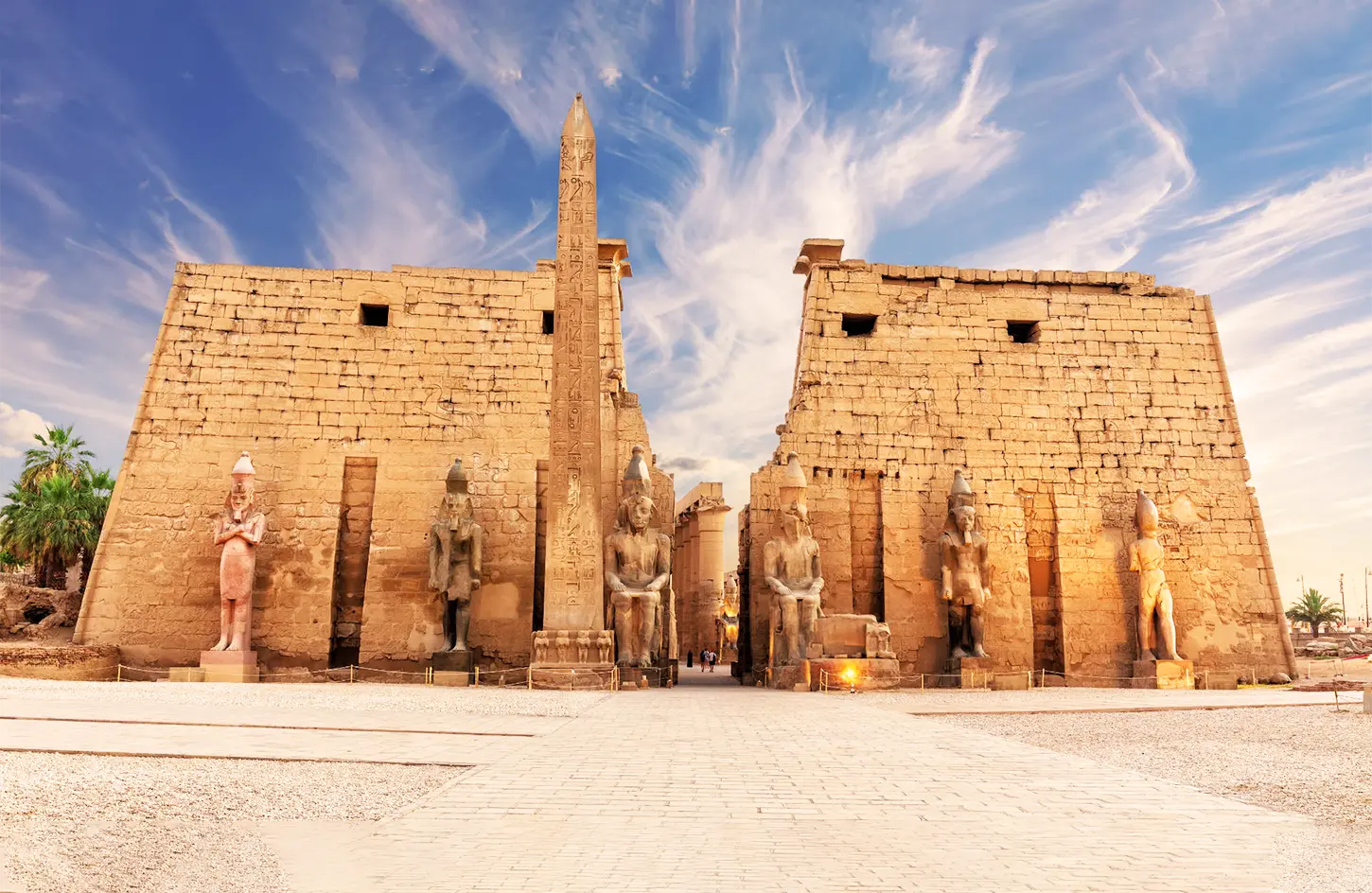
Three thousand years ago, Luxor was Thebes — the most powerful city in the ancient world. Today, it still feels that way. Spread across both banks of the Nile, about 650 km south of Cairo, Luxor holds a concentration of temples, tombs, and monuments that no other city on earth can match.
On the East Bank (the side of the living):
- Karnak Temple Complex — the largest religious structure ever built, spanning 100+ hectares. Walk the Avenue of Sphinxes, pass through the Great Hypostyle Hall (134 massive columns, still standing), and reach the Sacred Lake at the heart of the complex. Plan for at least 2–3 hours here.
- Luxor Temple — best visited at dusk, when the floodlit pylons and towering colonnade of Ramses II glow against the evening sky. The Roman chapel and the mosque built directly into the temple’s architecture tell the story of three civilizations layered atop one another.
On the West Bank (the side of the dead):
- Valley of the Kings — over 60 royal tombs carved into desert cliffs, including that of Tutankhamun. Admission covers three tombs; Tutankhamun’s burial chamber requires a separate ticket.
- Medinet Habu — the mortuary temple of Ramses III, and arguably the best-preserved and least-crowded major temple in Egypt. The painted reliefs here still carry their original colors after 3,200 years.
- Temple of Queen Hatshepsut — a three-tiered masterpiece of New Kingdom architecture, rising against the Theban cliffs at Deir el-Bahari.
🧭 Yasser’s Tip: Most visitors skip Medinet Habu — don’t. It’s quieter than Karnak, the reliefs are better preserved, and you can actually stand in the halls without crowds pressing against you. I always take my guests there in the late morning after the Valley of the Kings rush.
To cover Luxor properly, three days on each bank is the minimum. Our Luxor day tours are a great way to structure the West Bank in a single well-paced excursion, or combine the whole experience with our 8-Day Nile Cruise and Cairo tour.
Abu Simbel: Ramses II’s Immortal Tribute
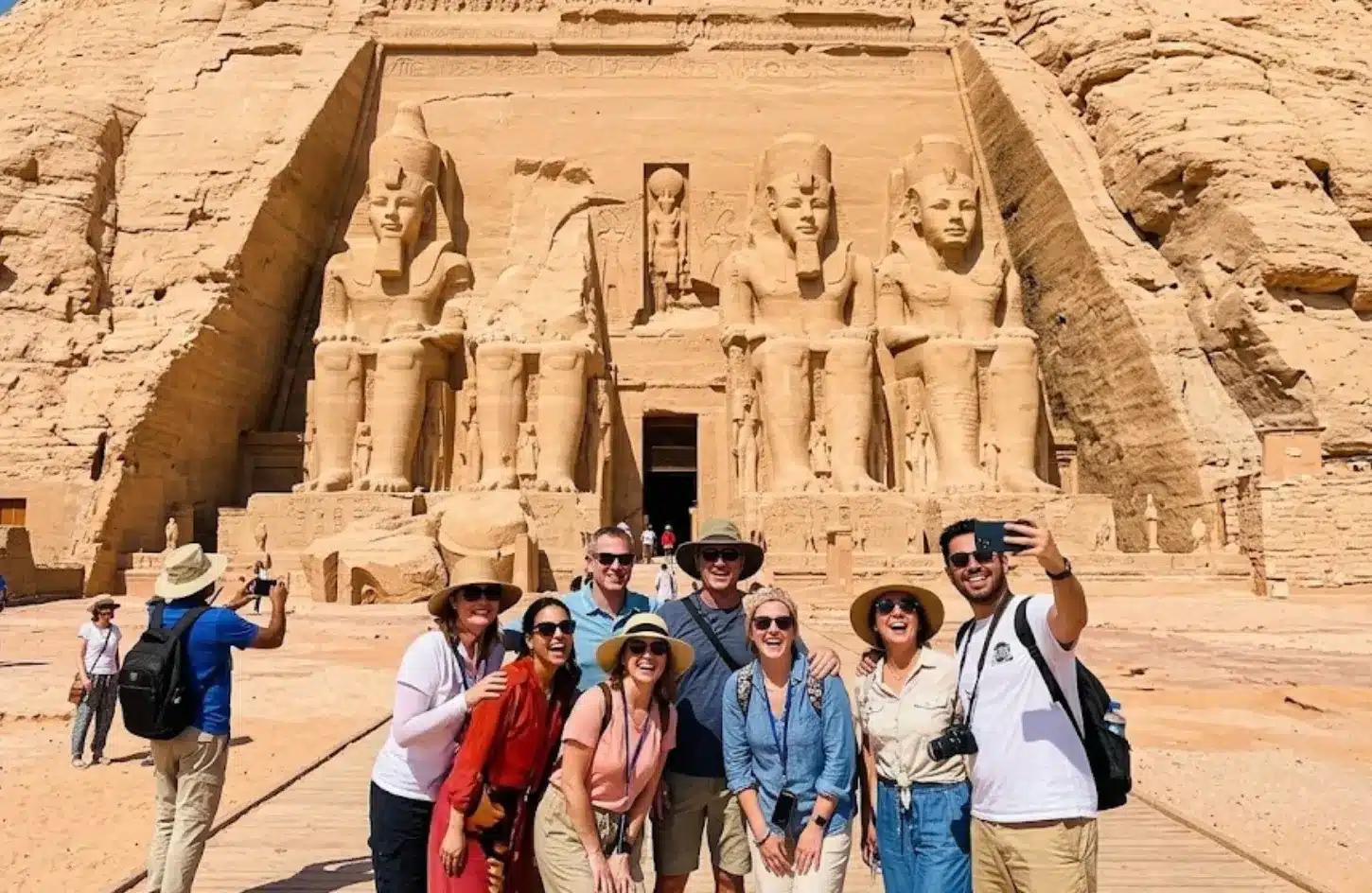
Deep in Egypt’s south, 280 km from Aswan near the Sudanese border, Abu Simbel is the kind of place that stops you cold. Two rock-cut temples emerge from the sandstone cliffs above Lake Nasser: the Great Temple of Ramses II, its facade dominated by four colossal seated statues of the pharaoh, each standing 20 meters tall, and the smaller Temple of Nefertari, his queen.
What makes Abu Simbel extraordinary beyond its scale is its story. When the Aswan High Dam threatened to flood the site in the 1960s, UNESCO led one of the most ambitious engineering feats in history: the entire temples were cut into over 1,000 blocks and relocated — stone by stone — to an artificial hill 65 meters higher. The precision with which the astronomical alignment was preserved during the move is still astonishing: twice a year (on February 22 and October 22), sunlight penetrates the inner sanctuary, illuminating the statues of Ramses and the gods within.
🧭 Yasser’s Tip: If your schedule allows, plan to be at Abu Simbel for opening (5:00 AM) or in the late afternoon after the main tour groups leave. The light at those times — especially on the facade — is extraordinary. The flight from Aswan takes about 45 minutes and is worth the extra cost if you’re pressed for time.
Combine Abu Simbel with the best of Aswan on our 6-Day Cairo, Luxor and Aswan with Abu Simbel tour.
Aswan: Egypt’s Most Peaceful City
Where Cairo overwhelms and Luxor impresses, Aswan simply enchants. This small city in Egypt’s deep south is where the Nile narrows between granite boulders, the pace of life slows noticeably, and the air carries a warmth that feels different from the rest of the country. It’s my personal favorite city in Egypt.
What to see in Aswan:
- Philae Temple — dedicated to the goddess Isis — is an island temple (reached by a short motorboat ride) that was the subject of another UNESCO rescue operation — saved from Lake Nasser’s rising waters and reconstructed on Agilkia Island. The evening sound-and-light show here is one of the better ones in Egypt.
- The Nubian Museum — one of the most underrated museums in the country, tracing 5,000 years of Nubian history, art, and culture. Allow 2 hours.
- Unfinished Obelisk — still lying in the granite quarry where it was abandoned after a flaw was discovered — this monument offers unmatched insight into how the ancient Egyptians actually worked stone.
- Elephantine Island — a short felucca ride from the corniche — offers Nubian villages, an ancient nilometer, and quiet lanes that provide a completely different pace from the temple circuit.
- Aswan High Dam — completed in 1971, the dam tamed the Nile’s annual floods, electrified much of Egypt, and created Lake Nasser, at 550 km long, one of the world’s largest reservoirs. The consequences, both positive and difficult, for Nubian communities are part of the story here.
🧭 Yasser’s Tip: A sunset felucca ride around Elephantine Island is not optional — it’s the single best hour you’ll spend in Aswan. Negotiate a price at the corniche (roughly 50–100 EGP per boat for an hour), bring some food, and just drift. The light on the desert cliffs across the water at dusk is unforgettable.
Explore Aswan through our Aswan day tours or add it to a Nile Cruise for the full southern Egypt Experience.
A Nile Cruise: The Best Way to See Egypt
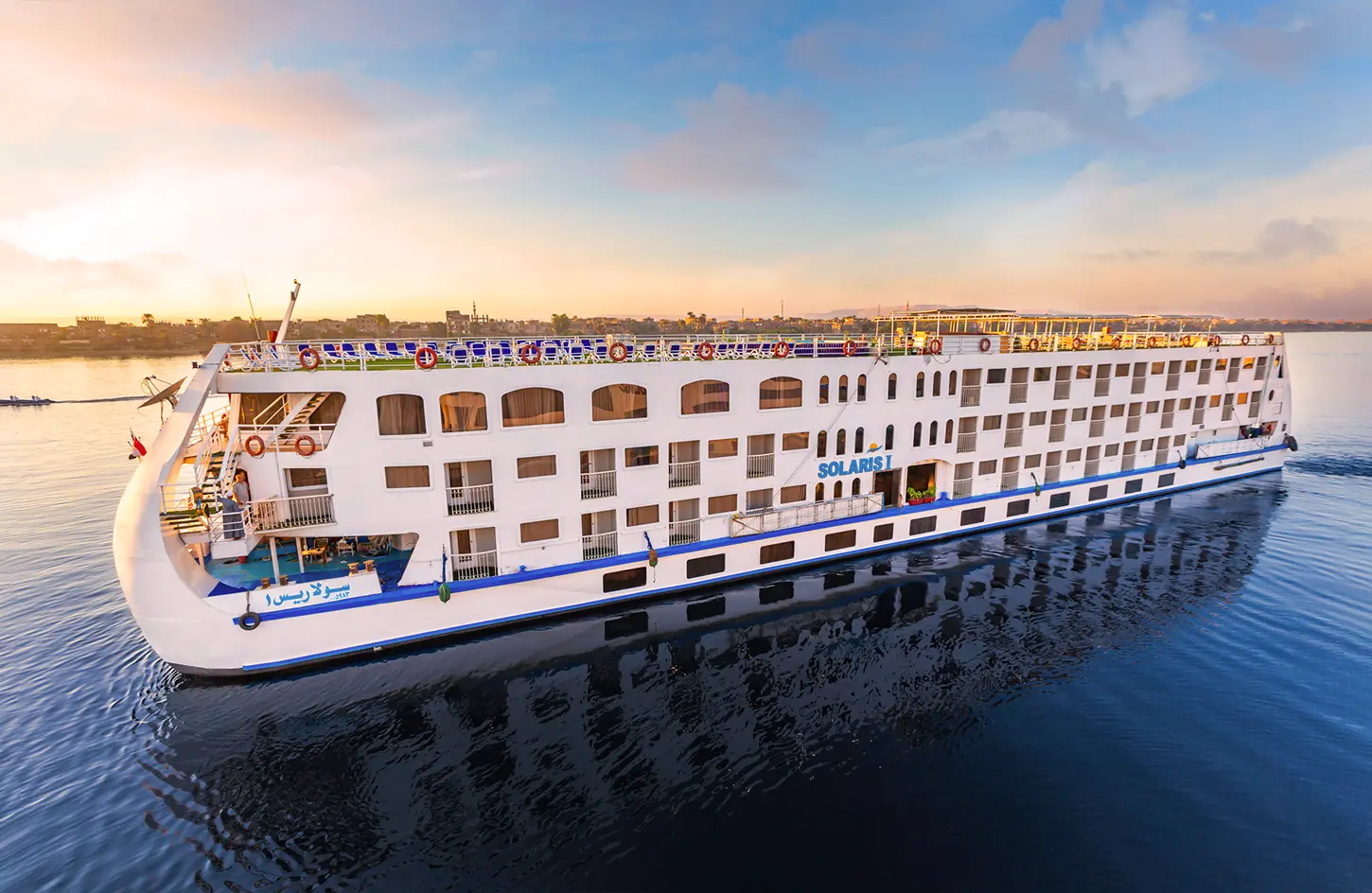
If you can only do one thing in Egypt, make it a Nile cruise. Sailing between Luxor and Aswan — or in the reverse direction — is the most civilized, unhurried, and genuinely magical way to experience the country’s ancient heartland.
From your sun deck, the landscape unscrolls like an ancient papyrus: narrow strips of brilliant green farmland giving way to golden desert the moment the Nile’s reach runs out. Children wave from the banks. Farmers tend small plots the same way their ancestors did. The light changes every hour.
Most cruise itineraries include stops at:
- Edfu Temple — dedicated to Horus, the falcon god, this is one of the best-preserved temples in Egypt, its inscriptions so sharp they look freshly carved
- Kom Ombo Temple — uniquely dedicated to two gods simultaneously (Sobek the crocodile and Horus the falcon), set on a bend in the river with Nile views from the sanctuary itself.
Aboard ship, the days follow a comfortable rhythm: an early excursion in the cooler morning, lunch on board, a rest during peak heat, another site in the late afternoon, dinner as the ship moves to the next mooring. It’s exploration without the logistics.
For a more intimate experience, a Dahabiya Nile cruise — on one of the traditional wooden sailing vessels — allows travel to smaller temples and villages the larger ships can’t reach.
🧭 Yasser’s Tip: Book a cabin on the upper deck with a Nile-facing window. You’ll want to watch the desert cliffs slip past in the early morning from bed. And do the Edfu Temple by horse-drawn carriage from the dock — it’s the classic way to arrive.
Browse our full range of Nile River cruise options — from standard to luxury to dahabiya — and find the style that fits your trip.
The Red Sea Riviera: Diving, Beaches & Coral Reefs
Egypt’s Red Sea coast is a world apart from the temples and deserts of the Nile Valley — and that contrast is exactly what makes it worth including in any Egypt trip. The reef system here is one of the richest and most accessible on earth, and the underwater life visible even from a snorkel just offshore of Hurghada or Sharm El Sheikh regularly astonishes first-time visitors.
Hurghada is the more family-friendly of the two main resort towns — easy to reach from Cairo or Luxor, with a range of hotels from budget to boutique, and day trips to Giftun Island for snorkeling the shallow reefs. Our Hurghada day tours are a great add-on to a Cairo-and-Nile itinerary.
Sharm El Sheikh, at the southern tip of the Sinai Peninsula, is the diver’s destination of choice. The marine reserve at Ras Mohammed National Park — where the Gulf of Suez meets the Gulf of Aqaba — creates extraordinary underwater topography. The SS Thistlegorm Wreck, a WWII British cargo ship resting at 30 meters, is consistently rated one of the top wreck dives in the world. Our diving and snorkeling tours in Sharm and Hurghada include both sites, certified guides, and full equipment.
🧭 Yasser’s Tip: If you’re not a diver, don’t let that stop you from the Red Sea. A glass-bottom boat tour around Giftun Island, or a snorkeling trip on the house reef at a mid-range Hurghada hotel, gives you access to the same colors and marine life. The water is warm enough to swim comfortably from October through May.
Dahab: The Sinai’s Laid-Back Gem
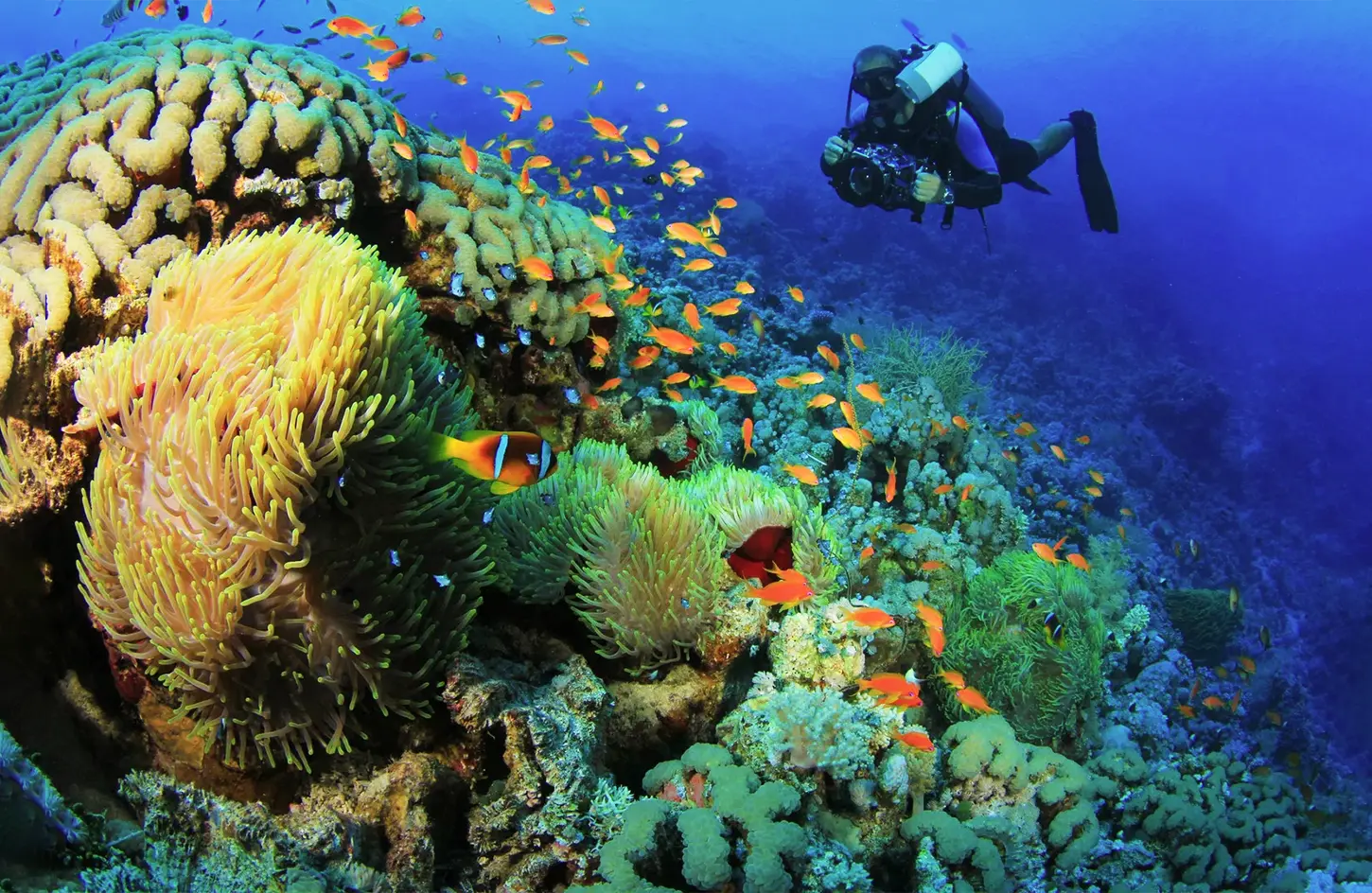
About 90 km north of Sharm El Sheikh on the Sinai Peninsula, Dahab is the antithesis of the resort-hotel Red Sea experience. A former Bedouin fishing village turned traveler haven, it offers a completely different energy — slower, more individual, with open-air restaurants right on the water, yoga studios, and some of the most extraordinary diving in Egypt.
The Blue Hole — a 130-meter-deep submarine sinkhole just north of town — is legendary in diving circles, both for its beauty and its reputation. Snorkelers can enjoy the outer reef safely. Inside the Blue Hole, the famous “Arch” at 56 meters is an advanced dive that draws experienced divers from around the world.
Beyond diving, Dahab is simply a wonderful place to slow down: fresh seafood from catch-of-the-day restaurants, Bedouin tea, camel treks into the surrounding Sinai mountains, and stargazing away from any city light.
🧭 Yasser’s Tip: If you’re combining Dahab with Sharm El Sheikh, a day trip to Saint Catherine’s Monastery — the world’s oldest continuously occupied Christian monastery, at the base of Mount Sinai — makes for an unforgettable addition. The hike up Mount Sinai for sunrise is genuinely one of Egypt’s great experiences.
Siwa Oasis: Where the Desert Holds Its Secrets
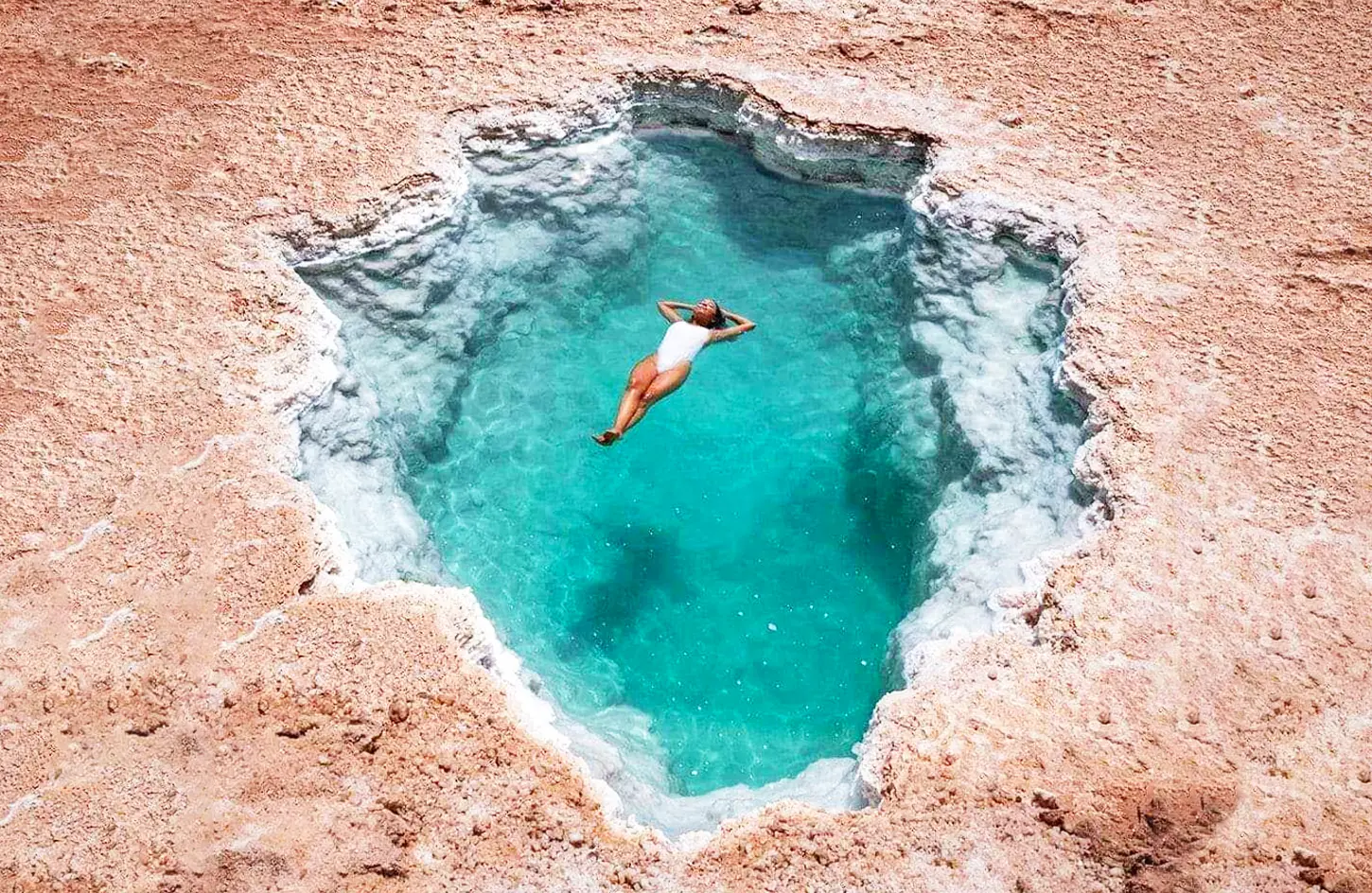
Siwa sits in a depression in Egypt’s Western Desert, 560 km from Cairo and 50 km from the Libyan border — remote enough that it operated almost independently from the rest of Egypt for centuries. The Siwan people still speak their own Berber dialect (Siwi), build their traditional homes from a local mud-and-salt material called kershef, and maintain customs that have no parallel elsewhere in the country.
The oasis is ringed by thousands of date and olive trees, fed by natural freshwater springs — a genuinely lush island in the middle of the Sahara.
What to see and do in Siwa:
- Shali Fortress — the ruined mud-brick old town at the center of the oasis, now hauntingly beautiful after centuries of rain erosion
- Temple of the Oracle (Amun Temple) — where Alexander the Great came in 331 BC seeking divine confirmation of his right to rule Egypt
- Cleopatra’s Bath (Ain Guba) — a natural spring pool you can swim in; far less glamorous than its name suggests, and all the better for it
- Fatnas Island — a small island in the saltwater Birket Siwa lake, best reached in the late afternoon when the light over the surrounding dunes turns amber
- Great Sand Sea dune safari — a 4×4 journey into one of the most visually spectacular desert landscapes in the Sahara, ending with sandboarding and a sunset over a sea of dunes
- Siwa Salt Lakes — crystal-clear saltwater lakes famous for their surreal turquoise colors and extremely high salinity that lets visitors float effortlessly on the surface.
🧭 Yasser’s Tip: Stay in Siwa for at least two nights — ideally three. The first day you adjust to the pace, the second day you understand why people extend their trips, and the third day you don’t want to leave. Go in spring (March–April) or autumn (October–November) when temperatures are perfect.
Our Egypt desert safari tours include curated Siwa itineraries — join a group or book a fully private experience.
Best Time to Visit Egypt
The best time to visit Egypt is October through April, when temperatures are mild across the country, and outdoor sightseeing is genuinely comfortable. This is Egypt’s peak travel season — and for good reason.
| Month | Temperature (Cairo) | Conditions | Best For |
|---|---|---|---|
| Oct–Nov | 20–28°C (68–82°F) | Warm, dry, comfortable | Everything — temples, Nile, Red Sea |
| Dec–Feb | 12–22°C (54–72°F) | Cool days, cold nights in desert | Nile cruise, cultural sites |
| Mar–Apr | 20–30°C (68–86°F) | Warm and sunny | Desert travel, Siwa, diving |
| May–Sep | 35–42°C+ (95–108°F+) | Very hot, especially in Upper Egypt | Budget travel only; avoid midday |
#Yasser’s advice: December through February is the sweet spot for a Nile cruise — temperatures along the river are perfect, the light is beautiful, and the sites are busy but not overwhelming. For Siwa or the Western Desert, March–April is ideal. For diving on the Red Sea, the water is warm and clear nearly year-round, but October–November offers the best visibility.
FAQs About Best Places to Visit in Egypt
How many days do you need in Egypt?
A minimum of 7–10 days covers the main highlights: Cairo and Giza (2–3 days), a Nile cruise from Luxor to Aswan (4–5 days), and a day trip to Abu Simbel from Aswan. To add the Red Sea or Siwa, plan for 12–14 days. We offer Egypt vacation packages ranging from short breaks to two-week itineraries.
Is Egypt safe for tourists?
Yes — Egypt is one of the most visited countries in the world, and the main tourist areas (Cairo, Luxor, Aswan, the Red Sea coast) are well-patrolled and very safe for international travelers. For a detailed regional breakdown, read our dedicated guide on whether the Middle East is safe for tourists.
What is Egypt most famous for?
Egypt is most famous for the Pyramids of Giza and the Sphinx, the Valley of the Kings in Luxor, the temples of Abu Simbel, and the Nile River. It is also one of the world’s top diving destinations, thanks to its Red Sea coral reefs.
Do I need a visa to visit Egypt?
Most nationalities (including US, UK, EU, Canadian, and Australian passport holders) can obtain a visa on arrival at Egyptian international airports or apply for an e-visa online in advance. Always check current entry requirements before travel.
What currency is used in Egypt?
The Egyptian Pound (EGP) is the local currency. USD, EUR, and GBP are widely accepted at hotels and tour operators. ATMs are available in all major cities and tourist areas.
What should I wear in Egypt?
In temples and ancient sites, lightweight, modest clothing (shoulders and knees covered) is respectful and practical. For the Red Sea resorts, beachwear is perfectly normal. Comfortable walking shoes are essential everywhere.
Start Planning Your Egyptian Adventure
Egypt rewards the curious, the patient, and the open-minded. Whether you’re standing inside a 4,500-year-old burial chamber in the Valley of the Kings, watching the sun align with the sanctuary of Abu Simbel, or floating in a salt lake at the edge of the Sahara — every experience in this country carries a weight that stays with you long after you’ve unpacked.
Ready to make it real? You can get a free custom quote tailored to your travel style and dates, or explore our all-inclusive Egypt tour packages. If a Nile cruise is on your list, our team can walk you through every option — from classic 5-night cruises to luxury dahabiyas. And if you’d prefer something more bespoke, our luxury Egypt tour packages are built around private guides, handpicked hotels, and full flexibility.
We’ve been running tours in Egypt for years. We know this country. Let us show it to you properly.
