


QUICK ANSWER
The best time to visit Jordan is March to May or September to November, when daytime temperatures sit between 20–28°C (68–82°F) — ideal for exploring Petra, hiking Wadi Rum, and floating in the Dead Sea without summer’s extreme heat or winter’s cold nights. April and October offer the best balance of good weather and manageable crowds.
Planning a trip to Jordan is exciting. But knowing when to go is key. The Best time to visit Jordan is during the seasons that offer the most enjoyable experiences. Jordan is great all year, offering many experiences.
Mild weather, cultural events, or outdoor activities – Jordan has it all. You can see ancient sites, enjoy desert beauty, or join local festivals. The best time for your trip depends on what you want to do.
Jordan is rich in history and has varied landscapes. This guide will help you pick the best time to visit Jordan. We want your trip to be filled with your favorite experiences.
Understanding Jordan’s Climate and Seasons
Jordan’s geography is diverse, leading to different climates. It’s important to know the seasons before you go. The country’s climate changes from hot desert in the southeast to a Mediterranean in the west.
The desert areas are hot and dry. The northwest is hilly and green. Understanding these differences is key to planning your Jordan holiday. The weather can change a lot from one place to another.
Jordan has four seasons, with spring and autumn being the best. These times are mild and perfect for seeing the country’s sights. Summers are hot, and winters can be cold, mainly in the mornings and evenings.
When planning your visit, think about Jordan’s climate. Knowing the seasons helps you pick the best time for your trip. Jordan offers something for everyone, no matter the season.
The Best Time to Visit Jordan: A Seasonal Overview
Jordan’s climate changes with the seasons. Spring and autumn are the best times to visit. Knowing when to go can make your trip better.
Spring, from March to May, is the best time to visit Jordan. The weather is mild, warming up after winter. It’s perfect for seeing sights and doing outdoor activities.
Autumn, from September to November, is also a busy time for tourists. The weather is nice for visiting old sites and relaxing by the Dead Sea. It’s also good for seeing Jordan’s natural beauty.
Characteristics of Peak Tourist Seasons
Spring and autumn have pleasant temperatures, from mid-teens to mid-twenties Celsius (around 60s to 70s Fahrenheit). They’re great for many activities. These seasons also have cultural events and festivals.
Summer is very hot, over 40°C (104°F) in the desert. It’s good for beach and water activities. But it’s hard for others. Winters are cool, but mild in places like Aqaba.
If you want a calm trip and lower prices, consider the shoulder season. The periods before or after peak seasons are nice. They have good weather and fewer people.

Jordan Weather by Month
Jordan’s weather shifts fast between March and November, so here’s the month-by-month breakdown (based on Amman — see the regional table below for how Petra, Wadi Rum, Aqaba, and the Dead Sea differ).
| Month | High | Low | Rainfall | Crowd Level |
|---|---|---|---|---|
| January | 12°C (54°F) | 3°C (37°F) | High | Low |
| February | 13°C (55°F) | 4°C (39°F) | High | Low |
| March | 17°C (63°F) | 7°C (45°F) | Moderate | Medium |
| April | 22°C (72°F) | 10°C (50°F) | Low | High |
| May | 27°C (81°F) | 14°C (57°F) | Very Low | High |
| June | 31°C (88°F) | 17°C (63°F) | Rare | Medium |
| July | 33°C (91°F) | 19°C (66°F) | Rare | Medium |
| August | 33°C (91°F) | 19°C (66°F) | Rare | Medium |
| September | 30°C (86°F) | 17°C (63°F) | Low | Medium |
| October | 25°C (77°F) | 13°C (55°F) | Low | High |
| November | 19°C (66°F) | 9°C (48°F) | Moderate | Medium |
| December | 13°C (55°F) | 5°C (41°F) | High | Low |
Note: figures reflect Amman. Desert areas like Wadi Rum and Petra swing colder at night and hotter by day; Aqaba and the Dead Sea stay noticeably warmer year-round.
Spring in Jordan: March to May
Spring is the best time to visit Jordan. The weather is mild, and the landscapes are lush. It’s the ideal season for a Jordan trip. You can explore places like Petra and Jerash without the harsh weather.
Wildflowers bloom in the desert, making it beautiful. This beauty, along with the nice weather, is perfect for hiking and camping. Wadi Rum is a great place to do these activities.
Spring is also when Jordan’s cultural events happen. You can see local traditions and enjoy the hospitality. Visiting in spring means fewer tourists, making it easier to explore.
In short, spring is the ideal season for a Jordan trip. You get nice weather, fewer people, and a chance to see the country’s beauty and culture. Whether you love history, nature, or culture, Jordan in spring is great for everyone.
Best Time to Visit Petra
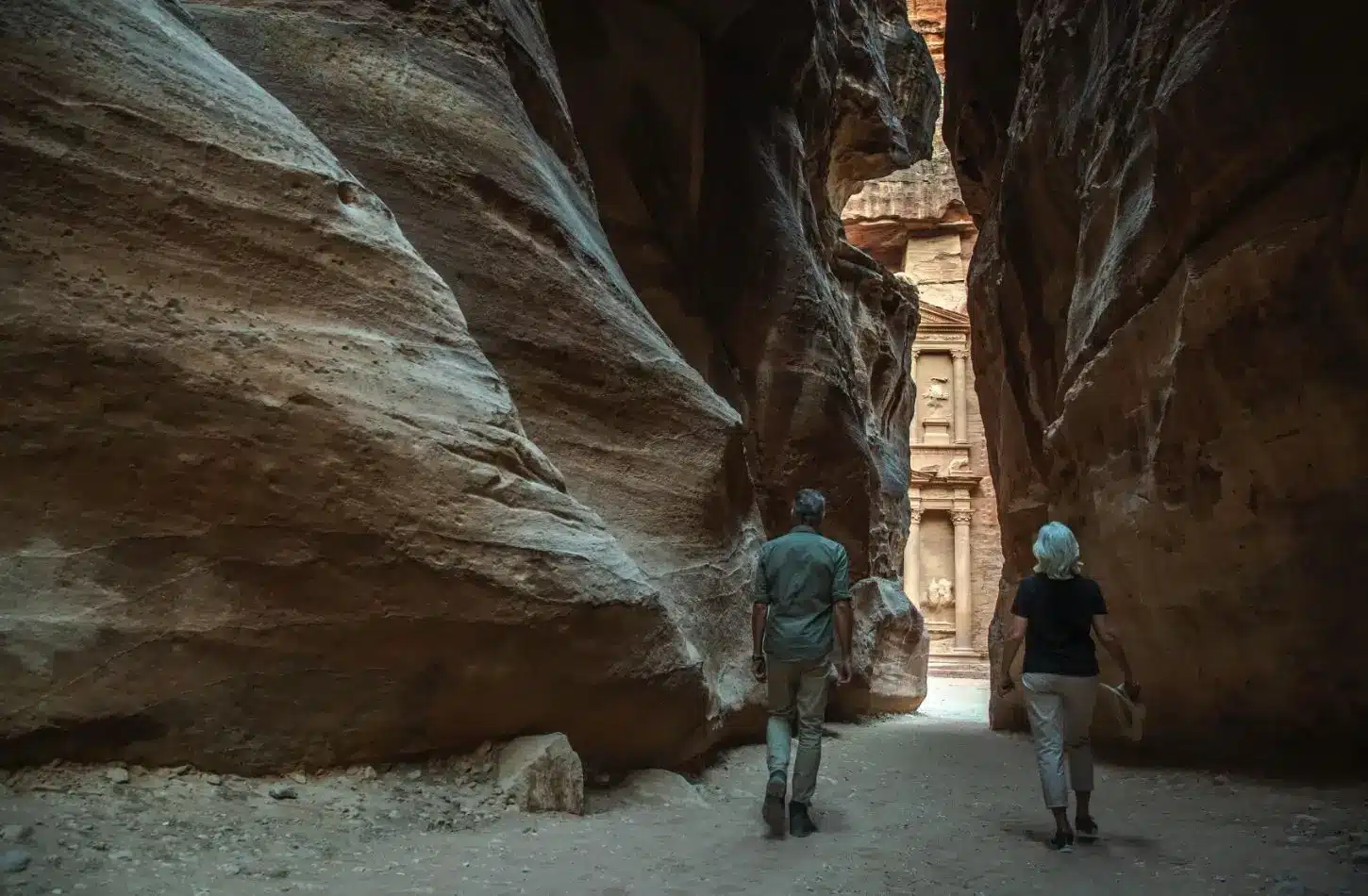
If Petra is the main reason for your trip, spring (March–May) and autumn (September–October) are your best windows. Daytime temperatures stay comfortable for the walk through the Siq, and the light hitting the Treasury in the early morning or late afternoon is at its best. Spring adds wildflowers along the trails; autumn brings clearer skies and slightly thinner crowds than peak spring.
Avoid the midday sun if you’re visiting between June and August — the sandstone canyon holds heat, and there’s little shade along the main routes. Early morning entry (right at opening) is the move in summer. For a full breakdown of what to see and how to plan your visit, check our guide to exploring Petra.
Fall in Jordan: September to November
Fall is the best time to visit Jordan. The weather is nice and there are fewer people around. It’s perfect for seeing sights and doing outdoor things.
The autumn season, from September to November, has comfortable temperatures. It’s great for visiting places like Petra, Wadi Rum, and Jerash. You won’t find as many people as in the summer.
During fall, Jordan’s nature is even more beautiful. The weather is good for hiking and camping. You can explore without the hot summer sun.
Also, fall is full of cultural events and festivals. You can learn about Jordan’s culture by going to these events. It makes your trip even more special.
If you’re planning a trip to Jordan, fall is a good choice. The weather is nice and there’s lots to do. It’s one of the ideal months to visit Jordan. Jordan in the fall has something for everyone, making it a top pick for Jordan holiday recommendations.
Summer in Jordan: June to August
Visiting Jordan in summer can be tough because of the heat. It’s the busiest time, with lots of people at places like Petra and Wadi Rum. The heat makes it hard to enjoy the outdoors.
The weather in Jordan in summer is very hot, mainly in the desert. It gets really hot during the day. You need to drink lots of water and rest in cool places. Visiting historical sites in Jordan is better early morning or late evening when it’s cooler.
Summer is the best time to visit Jordan’s beaches, like Aqaba. The Red Sea is cool and perfect for snorkeling, diving, and beach time. Aqaba is great for a beach vacation in summer.
In short, summer in Jordan is hot, but you can still have a great trip. With the right planning, you can enjoy historical sites and beaches. Jordan has lots to offer in summer.
Winter in Jordan: December to February
Winter in Jordan, from December to February, is a special time to visit. It’s the low season, but the cooler weather is perfect for sightseeing and outdoor fun.
Places like Petra and Wadi Rum are less crowded. This makes your visit more peaceful. Remember to dress warmly for the chilly mornings and evenings.
Winter is great for seeing Jordan’s natural beauty. The landscapes are calm, and the cool weather is perfect for hiking and visiting historical sites.
Preparing for Winter in Jordan
Pack warm clothes, including layers for the cool mornings and evenings. Always check the weather forecast before going out to plan your day.
With fewer tourists, you’ll have a more real experience. The locals are often friendlier during this time. Enjoy the weather to explore Jordan’s history and culture.
Knowing the weather and being ready will make your winter trip to Jordan amazing. Whether you love history, nature, or new cultures, Jordan has it all.
Worst Time to Visit Jordan
For most travelers, January and July/August are the toughest months. January brings Jordan’s coldest, wettest weather — short days, chilly nights in Amman and Petra, and occasional snow — which limits outdoor time. July and August sit at the other extreme, with inland temperatures regularly passing 33°C (91°F) and midday hours at Petra or Wadi Rum uncomfortable for hiking. Neither month rules out a trip — you’ll get lower prices and thinner crowds — but they demand more planning around the heat or cold.
Best Time to Visit Jordan by Region
Jordan’s geography means the “right” time to go can depend on where you’re headed. Here’s how each region compares:
| Region | Best Months | What to Expect |
|---|---|---|
| Amman | March–May, Sept–Nov | Mediterranean climate — warm, dry summers and cool, wet winters with occasional snow |
| Petra | March–May, Sept–Oct | Comfortable daytime temps for walking the Siq; near-freezing nights Dec–Feb |
| Wadi Rum | March–May, Sept–Nov | Big day-to-night temperature swings — pack layers even in shoulder season for desert camps |
| Aqaba | October–April | Mild and beach-friendly year-round; summer highs can top 40°C (104°F) |
| Dead Sea | October–April | Lowest point on Earth stays warm even in winter; summer heat is intense |
Timing Your Visit for Jordan’s Festivals and Events
Want to see Jordan’s rich culture? Visit during its many festivals and events. Jordan’s festivals show off its lively culture and traditions all year.
The Jerash Festival in July is a big hit. It has music, dance, and theater from Jordan and around the world. You can see traditional dances, hear live music, or watch a play.
The Aqaba Traditional Arts Festival in February is all about Bedouin culture. You’ll see traditional music, dance, and crafts. It’s a chance to dive into Jordan’s cultural past.
There are many more festivals and events in Jordan. You can find cultural, musical, and artistic ones. Visiting during these times makes your trip better and lets you understand Jordan’s culture more.
Check the dates for these events and plan your trip. With some planning, you’ll have a trip you’ll never forget.
For a deeper look into the country’s spiritual heritage, explore our article on Jordan’s Sacred Sites and uncover the stories behind these remarkable landmarks.
Jordan by Season and Budget
If cost matters more than perfect weather, Jordan’s low seasons — June to August and December to February — bring noticeably lower hotel rates and quieter sites, since most travelers cluster into spring and autumn. You’ll trade some comfort (heat or cold) for space at Petra and Wadi Rum and better availability on shorter notice.
The shoulder months — March, late September, and November — often give you the best of both: still-reasonable prices with weather that hasn’t fully turned. If you’re building a budget-conscious trip, our Jordan tour packages range from a 3-day short break to an 8-day full-country itinerary, so you can match your dates to a package that fits the season and your budget.
Frequently Asked Questions for Best Time to Visit Jordan
What is the cheapest time to visit Jordan?
The cheapest time to visit Jordan is during the low season — June to August and December to February. Hotels and tours often drop their rates when demand is lower, and popular sites like Petra and Wadi Rum are much quieter. You’ll deal with summer heat or winter cold, but if budget matters more than ideal weather, these months offer the best value.
What is the coldest month in Jordan?
January is Jordan’s coldest month, with Amman highs around 12°C (54°F) and lows near freezing. Petra and Wadi Rum get even colder overnight, occasionally dropping below 0°C. It’s also the rainiest month, so pack warm layers and expect shorter sightseeing windows if you visit in January.
Is Jordan too hot to visit in summer?
Summer (June–August) is hot, with inland temperatures regularly topping 33°C (91°F) and desert areas like Wadi Rum feeling even hotter. It’s not off-limits — early morning sightseeing and coastal spots like Aqaba stay more manageable — but it’s a tougher season for full days outdoors at Petra or in the desert.
What is the best month to visit Petra?
The best months to visit Petra are April, May, September, and October, when daytime temperatures are comfortable for walking the Siq and exploring the site on foot. Spring adds blooming wildflowers along the trails, while autumn offers clearer skies and slightly smaller crowds.
Does it rain or snow in Jordan?
Yes — Jordan gets most of its rain between November and March, especially in Amman and the northwest highlands. Snow is uncommon but not rare in Amman and Petra during January and February, and Wadi Rum’s desert nights can drop below freezing in winter.
How many days do you need in Jordan?
Most travelers need 6 to 8 days to comfortably cover Amman, Jerash, Petra, Wadi Rum, and the Dead Sea. If you want to add Aqaba, the Dana Biosphere Reserve, or the northern sites, 10 to 12 days gives you a more relaxed pace without cutting anything out.
Conclusion: Planning Your Perfect Jordan Adventure
When planning your trip to Jordan, knowing the best time to visit Jordan is key. Spring and autumn are top picks because of their nice weather. These seasons have mild temperatures and are very pleasant.
These times are perfect for seeing Jordan. You can enjoy the weather and many cultural events and outdoor activities. This mix makes your trip great.
Remember, Jordan’s weather changes by region. Amman has mild winters, while Aqaba is warmer in summer. Visiting Petra during festivals can make your trip even better.
Follow these tips for a memorable trip to Jordan. Whether you love history, culture, or the outdoors, Jordan has it all. It’s a great place for travelers to explore.
